
.jpg)
Blogs
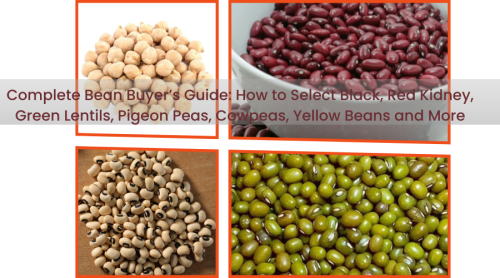
Complete Bean Buyer’s Guide: How to Select Black, Red Kidney, Green Lentils, Pigeon Peas, Cowpeas, Yellow Beans and More
Almost every country requires legumes like lentils, beans, and peas in massive volumes. The demands are massive since these types of foods provide high plant-based protein, minerals, and fiber. Even the canned beans and lentils require a raw supply for production. They look for bulk soya beans, kidney beans, cowpeas, chickpeas, and kidney beans at a low price. The food chain is enormous, and regions like Asia, Africa, and South America are the largest consumers of legumes. Even their byproducts are many, which further expand the market size. So, this blog is for bulk buyers like importers, distributors, restaurants, catering businesses, and canned food manufacturers. A Brief Guide to Select Beans, Peas, and Lentils If you are new to this industry, this brief guide can make your legume selection process simple. All you need to do is know some considerations that can help you inspect the seeds carefully. You will have to do visual and physical inspection of beans, peas, and lentils to prevent flaws in the selection process. You can avoid procuring rotten, stale, shallow, and moist legumes, especially when buying soya beans. Soybeans What people usually look for is protein, fiber, and oil content, but there is more than that. You should inspect the seed size and its consistency first. Look for a size range between 6.5 mm and 9 mm in length, and 5 mm and 7 mm in width. It will help you choose the standard seed size when buying bulk soya beans. Besides, they must have low moisture content because excess moisture can cause staleness in them. Besides, the foreign materials like stones and chaff have to be a few percent only. You will find the percentage level in the key factors section of this blog’s second half. Then comes the appearance where the color must be uniform. Since soybeans are found in different colors depending on the region, you can find them in white, pale, green, yellow, and black colors. Black Beans If you are about to procure black beans, you should know how they appear. Their appearance must be shiny and jet black. A black bean has a white keel in the center and a full jet-black body. So, you will have to keep the color in mind when buying black beans in large quantities. Avoid the ones that have tiny holes and white spots. Also, do not choose broken ones until the broken percentage is very minor. You can find that percentage later in the blog. Also avoid dull and faded beans, which will indicate the internal flaws in the beans. Make sure you choose the size of black beans of 10 mm length and 5 mm width. The size could vary a little depending on the type you choose. Search for consistency in color, size, and shape because black beans have a uniformly oval shape or a slightly kidney shape. Red Kidney Beans These ones are the largest in size. So, you will easily detect them among other types. When choosing red kidney beans, search for deep red beans in color. They have reddish brown and brownish red shades. Their surface should be smooth and plump. They must not contain debris or holes. Their sizes are around 15 mm in length and around 7 mm in width. They must not be dry and thin because the fresh ones are mostly hard and plump in appearance. If you notice any defects like discoloration or spots, avoid those red kidney beans. Green Lentils Then some people find it difficult to choose fresh green lentils. Here are the tips for such buyers. Green lentils have an olive green or pale yellowish green color. They have a matte surface and lens shape, which is easy to notice. If you look at the grain size, it ranges between 4.5 mm and 7mm in diameter. Just make sure they do not have debris, stones, or pecks, which will only be signs of foreign materials. Their smell is earthy and dusty if you closely inspect it. Red Lentils There is another type of lentil, which is red lentil. These lentils have a vibrant orange-red color in appearance. So, you will have to look for color and shape consistency when selecting them. They must be dry at the time of selection because if you notice tackiness in them, that means they have high moisture. So, you need to choose non-tacky red lentils by physically inspecting them. Besides, their size ranges between 4.5 mm and 7mm in diameter. They must not have a strong odor, which will signify the staleness. The fresh ones have an earthy and dusty smell. Pigeon Peas (Arhar Lentils) Some people call them pigeon peas, and some call them arhar lentils. They have a light brown and beige color consistency, which means you need to focus on color first. They must not have black spots and discoloration, because these are the signs of bad quality. If you look at the shape, arhar lentils have an oval shape. Their length ranges between 5 mm and 7 mm, and their width ranges between 4mm and 5mm. The fresh pigeon peas have brittle structure because if you find soft ones, that means they are moist inside. They also have an earthy and dusty smell when they are fresh. Cowpeas (Black-Eyed Peas) Then we have cowpeas, and they are also known as black-eyed peas. The reason why we call them cowpeas is that they are usually cows’ feed. Also, the term came from their appearance because their hilum looks like eyes. If you are about to choose them, look at their spherical and kidney-like shapes. They have a creamy white structure with a black and white hilum, which appears like an eye. Cowpeas have a smooth surface that is dry, hard, and plump. Their sizes range between 5 mm and 11 mm in length and 5 mm and 7 mm in width. Just make sure they do not have holes, molds, or dark spots on them. Also, they must not contain powder in their bags, which is a sign of higher foreign material. Chickpeas (Kabuli Channa) If you are going to select chickpeas or Kabuli channa, here is what you will have to notice. They have a beige color, mostly with a hazelnut-like shape. They are larger than most lentils, peas, and beans. This is why their sizes range between 4 mm and 14 mm in diameter. You will also find them available in small, medium, and large sizes, so do not get confused regarding the sizes. You can sniff them and inspect their freshness if they have a nutty and earthy smell. Make sure they do not have dark spots and discoloration because these are the signs of infestation. Also, they must not contain pinholes because they show they are shallow inside. Yellow Beans Since beans are found in lots of types, here is another popular type, which is the yellow bean. You can already have an idea about their appearance through their name. They have a yellow and light-yellow color range with high consistency. They have a kidney-like or oval shape if you closely inspect. Their hilum is white, and the overall appearance is plump and shiny. Even their size is similar to that of soybeans and black beans, with high consistency. Just like the others, they also must not have white, brown, or black spots. If you want to avoid having a high broken percentage, avoid the ones with very light, broken, and shallow structures. You can smell them to inspect the nutty and earthy smell that indicates freshness. Any other smell, like the musty one, is a sign of high moisture and staleness. Moong Beans Many consumers like moong beans, which means wholesalers or importers would like to know about it. If you are one of them, you need to know how to detect the freshness in moong beans. The fresh ones have a vibrant olive-green appearance. They have consistent gloss and hardness. In terms of sizes, you will find them smaller than others. This is why their length ranges between 4 mm and 5 mm. Their width ranges between 3 mm and 4 mm. You need to find uniformity in shape and color if you want fresh moong beans. The fresh ones have an earthy and nutty smell. Just make sure they are free of any holes and spots. Key Factors That Define the Quality of Legumes To make the selection process simpler, here are key factors to look for. Procuring bulk soya beans or any other pulse will be easier by following these factors. Importers and wholesalers that need bulk lentils, beans, and peas need to have a look at these considerations. Size Every bean, lentil, and pea is different from others, even if they appear slightly similar. You will have to closely monitor the size of a sample to ensure you are buying high-quality beans, lentils, and peas. In the above section, we shared size ranges of each type for your convenience. You can follow them to select the standard quality that is safe for all. Color The same is for color consistency. Each lentil, bean, and pea have a different color. Some are white, black, green, red, beige, and yellow. The colors vary depending on the type. You must know about the standard color range of the type of legume or pulse you are buying. If the color is different from the standard range, it means there is something wrong with the quality. Avoid the ones with discoloration, spots, and pinholes. They are the signs of infestation, staleness, and other problems. Water Test Perform a water test on the sample to test if the beans/peas/lentils are fresh. You need to dip them in a bowl of water to test their freshness. If they settle down easily, they are fresh and safe. If they float, it means they are damaged, stale, or hollow from the inside. You can perform the same test on a sample when procuring bulk soya beans. Moisture Level The moisture level should be a maximum of 12%. Some follow 14%, but it should be less than 12% for better freshness. Whether you are purchasing bulk soya beans or any other legume, the rule is the same for all. Another thing you can do to inspect moisture level is by shaking the bag of samples. If the lentils/beans/peas are fresh, shaking the bag will make a rattling sound. Low Foreign Materials and High Purity Foreign material is about dust particles, stones, and pecks. These foreign materials should be a maximum 2% only. If you notice the rate is higher than it is, you will have to ask for better quality. Broken Percentage Then comes the broken percentage of beans, lentils, and peas. It should be between 3% and 5%. There are some broken units of peas, beans, and lentils, which are acceptable only if they are within 5%. Leading Sources of Beans, Lentils, and Peas You might be wondering about the leading countries that supply beans, lentils, and peas. It will be better for you if you know about them because your supplier probably procures from any of these countries. Before you procure bulk soya beans, mung beans, red beans, or any other type, you need to know about them. The following are the countries that have the largest production of legumes and lentils in the world. • India • Brazil • Myanmar • Ethiopia • Russia • Tanzania • South Africa • USA SK Logistics International sources its beans, lentils, and peas from some of the above countries. As a result, its customers get fresh, safe, authentic, and healthy legumes of different types. What Makes These Countries a Better Source of Beans? It is about their soil, climate, and quality assurance in the production process. These legumes, like beans, lentils, and peas, grow well in well-drained and loamy soil. They need soil PH between 6 and 8. Even the moderate salinity is suitable for them for stable growth. Waterlogging is not good for lentils, which is why these countries are good at maintaining consistency in their farming practices. They grow well in temperatures between 15 degrees C and 24 degrees C. A cool climate is suitable for lentil production, which is why SK Logistics sources legumes in large volumes from them. Conclusion To get the best quality of beans, lentils, and peas of different types, you need a reliable supplier. That supplier either has its own production or has a reliable source to procure in bulk. SK Logistics sources multiple types of beans, lentils, and peas to supply globally at a low price. Since you know how to inspect the quality of bulk soya beans and the rest of them, all you need to do is connect with a supplier. You can then ask for a sample to inspect the quality, and then go ahead of bulk order. Once you get consistent quality and an affordable price, nothing will be better than partnering with such a supplier.
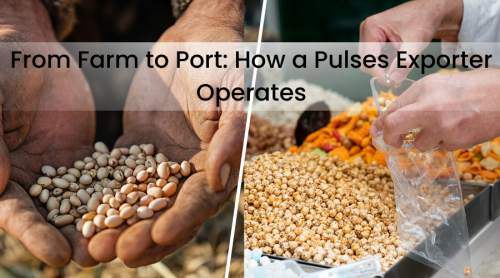
From Farm to Port: How a Lentils Exporter Operates
Almost every continent consumes pulses, especially Asia, Africa, and South America. Asia is probably the biggest consumer of pulses of all kinds, especially because of Indian and Pakistani consumers. These two largest markets make the demand for pulses remain at peak since countless dishes are prepared solely based on them. Every lentils exporter is aware of these demands, and that makes them meet global needs precisely. From the farms to the ports, the pulses cover a long distance. Farmers have to grow tons of pulses to meet global demands. Then, industrial operations ensure the quality, appearance, grading, and presentation meet the market requirements. They perform multiple operations to remove impurities and to classify them according to their grades. This entire process takes place in different steps that you will find in this blog. 1. Farm Stage The first stage is farming, where everything begins. This is where the initial stage starts, where farmers choose suitable land, climate, and every environmental condition to grow pulses or lentils. Every pulses distributor knows about it, and the entire quality of lentil depends on this stage. Some use organic, and some use inorganic methods to grow pulses. Here is how it goes. Seeding Process The seeding process is all about sowing the natural or inorganic seeds. In this modern age, the use of inorganic methods is more common because of the higher yields. Since organic farming is more expensive and complex, lentils exporters have to go for inorganic methods. The seeding process also contributes to the cost of farming and the final price of pulses in the market. Farmers are experts in this field who choose seeds based on the type of market they need to serve. After the selection of seeds, they sow them according to the standard operating procedure. Fertilization Process The soil needs support to grow those seeds because macro and micronutrients are the primary requirements of seeds. Unless those nutrients are fed to the soil, the seeds will not grow at the speed they need to. Therefore, fertilizers that contain NPK and sulfur are the key to better growth of seeds. The support for plants, roots, and pulse production relies on the fertilization process. These fertilizers speed up the process. Therefore, a pulse supplier has to ensure the backend or farm process has enough fertilizers for the continuous growth of pulses. The selection of fertilizers is very careful. Farmers choose them based on the soil condition, PH level, and lots of other factors. Choosing the wrong NPK ratio can change the outcomes, which means it is a crucial step. They need to adjust the application of fertilizers to the soil according to the crop’s requirements. Weed and Pest Control Besides fertilizers, lentils need protection from pests and weeds. These two threats cause severe damage to the crops, and farmers have to ensure their prevention as a priority. For weed control, they use mulches and herbicides. Mulches prevent the sunlight and other essential nutrients from reaching the weeds, while herbicides eliminate the remaining chance of weed growth. Some use natural mulches, and some use plastic mulches. Both have advantages and disadvantages for crops. However, the weed control becomes better when the sunlight is blocked through opaque plastic mulches. Then the pesticides do their job of killing pests and bugs that harm the crops. Lots of larvae and mature bugs feed on the crops, which damages the production. Therefore, pesticides eliminate the pests of all types that surround the crops. The selection of pesticides and herbicides needs to be precise because too strong chemicals can damage the crops. If the crops get deep penetration of chemicals, they will affect the end consumers. Farmers choose the chemicals that are less harmful to the crops and soil, and more effective against the pests. Harvesting and Departure for Factory Then the time comes for the lentils exporter to prepare for the harvesting process. Although the farmers do this part just like the rest of the previous ones, the exporters have to ensure things go well. The harvesting process helps exporters estimate the quantities they would transport to factories. That allows the lentils exporters to further estimate how much market demand they could meet. Here is another thing, and that is the impact of further processing. When the farms dispatch the pulses to factories, they are aware of the reduction in quantities. This reduction takes place after further processing and cleansing operations. 2. Industrial Stage Here is the industrial stage, which ensures the pulses are in a clean and well-presentable form. Of course, there are effects of pesticides and other chemicals on pulses after they are harvested. That means they need further processing to come out as clean and free of waste elements. All pulse suppliers have to go through this industrial stage to provide a safe, clean, and packaged supply of pulses of all types. Here is the entire process. Initial Cleaning This step includes the primary cleaning of pulses to remove the basic impurities from them. They contain lots of dirt and other environmental elements that could harm the end consumers. To eliminate this health risk, pulse exporters use machines that carefully sift the pulses to remove the solid dirt from them. Moisture Removal Then the moisture removal process takes place. Industries have to remove moisture from the lentils/pulses to remove every risk of mold, pest, and disease in them. These elements could possibly spoil any crop, and to make crops safe, this moisture has to be removed. Machines remove the moisture from the pulses to make sure they remain safe for long-term storage, transportation, and consumption. Industrial users have to ensure that the damage does not take place in any way. The quality and freshness of pulses depend on the moisture level, and the less moisture there is, the better the quality will be. Secondary Cleaning or Classification Process Then the lentils exporters perform another cleaning process, which is the secondary one. This process makes sure there are no chemicals or harmful elements left on pulse grains. Since farmers have to use multiple chemicals to prevent pests, weeds, and environmental threats, those chemicals leave long-term effects on crops. Therefore, there is another cleaning process that takes place to eliminate any risk remaining in pulses. This secondary cleaning performs a classification by separating the damaged and spoiled kernels. Basically, it separates the grains based on their sizes, shapes, and weights. Classification machines have air, magnetic, and gravity filters to perform these classifications. They sort the pulse grains in different grades to supply them at different price ranges. Peeling Process Then comes the peeling process, where the machines peel the pulses in bulk. They carefully remove the shells by preventing damage. Multiple filtration screens are present in these machines to remove the peels and blow them with fans attached inside. Splitting Process The second last process in the filtration step takes place by splitting the kernels. All pulse suppliers have to perform this step to make the pulses presentable and edible for the end users. These pulses need to be split because that’s how they are served. So, companies have to ensure the machines split them carefully without breaking the kernels. Splitting screens and fans perform this function inside the machines to provide consistent results. Lentil Polishing After going through all these steps, the pulses appear dull and dry. They need a final touch before the packaging process. Pulse exporters polish them by placing them in polishing machines. These machines remove every remnant of dust and hard pollution stuck on the surface of pulses. Machines clean the pulse kernels and release them in a clean and shiny form. Packaging Process Lastly, the pulses go through the packaging process. The packaging machines make their packages in different sizes and grades. Companies use their labelled bags and cartons to finalize the packaging process. Once these pulses are packed, they are ready for the dispatching process towards the ports and local warehouses. 3.Shipping Stage Pulse exporters complete the documentation regarding the safety measures and compliance. Since the destinations require documents for the clearance process, exporters ensure all the documents are there to back their safety claims. Fumigation certificate, phytosanitary certificate, and many other documents have to be present for the clearance of pulses. Customs officials need these documents along with samples (if needed). And that’s how the shipping process takes place for the global dispatching. How Much Impact Does a Reliable Lentils Exporter Make on the Market? Everything changes when superstores, distributors, and wholesalers procure from a reliable exporter. Quality is the key to healthy outcomes, and if one compromises on it, the entire brand suffers. Therefore, it is better to choose a trusted pulse supplier than to save cost by choosing a non-reliable supplier. A reliable one might charge a little extra, but that will save the entire brand image in the market. A consumer can switch rapidly in this age of fast consumption. The time of monopoly has long gone since mega suppliers from China joined the industry. Therefore, it is better to choose a reliable supplier than to save money by reducing the quality. Whether you are a trader or a commercial consumer, like a restaurant, you must choose an exporter that meets quality standards. That quality will lead to trust in the end consumers, and the name of your business will remain stable. Pulses are a popular choice in South Asia, Africa, and South America, which shows that this huge market really depends on top exporters. Compromising on quality will be compromising on the competition. Once a consumer switches to another brand, it will be way more expensive to bring back that lost customer. Conclusion Pulse suppliers have to perform an extensive process to ensure the pulses grow, reach factories, and then reach ports. Each step contains lots of sub-steps that contribute to the safe and clean supply of pulses for end consumers. Supermarkets, distributors, online stores, and local stores need a bulk supply of pulses that are safe for consumers. They can rely only on their trusted brands, and those brands rely on their backend farming process/exporters. It means the farming and processing of pulses have to be strict in order to meet health requirements.
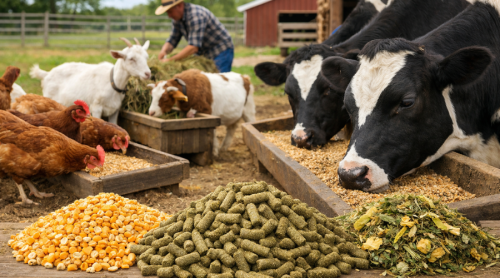
How to Choose the Right Animal Feed for Poultry, Cattle, and Livestock
Running a farm is never simple and convenient because one has to face countless challenges in it. The biggest challenge is to choose livestock feed types and maintain an ample supply. Whether you are sourcing animal feed from Brazil, China, the USA, India, or Argentina, you need a few details first. There is a list of objectives you have to make regarding the animal type, feed type, and output you want. Here is what you should do. What Kind of Farm Animal Requires What Kind of Feed? Before you choose a Brazilian, Argentinian, Chinese, or USA animal feed expoter, know one thing first. It is about the type of feed each kind of farm animal needs. Not all types of farm animals consume the same feed because their natures are different from each other. It is better to do categorization before you go to procure cattle animal feed. Poultry The poultry type requires higher protein in its diet. The reason is that egg production is incomplete without enough protein intake. Also, poultry farmers have to make sure the birds are getting enough energy for egg production. The same is for broiler chicken, and farmers choose protein-rich animal feed for poultry. It includes fats, carbohydrates, and vitamins for the balanced growth of chickens. Cattle Then comes the largest and bulkiest form of farm animal, which needs fiber-rich feed. It helps in promoting the digestive health of bovine animals like cows, buffalo, calves, and bulls. The cattle animal feed provides protein and vitamins, especially A, D, and E. As a result, cattle animals get better muscle, bone, and metabolic health. The forage they consume provides essential nutrients to each animal. Livestock Then comes livestock, which contains both poultry and cattle. Therefore, it has to be a balanced feed in terms of protein, fiber, fats, and vitamins. Livestock feed types include hays, pasture, grains, and supplements for a balanced diet for animals. Therefore, when you are about to source feed for livestock, you will need different forms of it for each animal. Hay in Animal Feed and Its Impact Since ruminants consume hay, you will have to know a bit about it. It is rich in protein, vitamins, fiber, and calcium, which is why it requires balancing. Farmers provide it to ruminants like bovines, goats, sheep, and horses. All these animals in the farm need hay as essential feed. Here are some of its common types. Alfalfa Hay The first is alfalfa hay animal feed, which is high in protein with some calcium. Ruminants need digestible feed, and alfalfa hay is one of the safest and healthiest options for them. Besides protein and calcium, it contains vitamin A. It is one of the top livestock feed types that is suitable for dairy cattle, goats, sheep, and horses. Orchard Grass Hay Then the next is orchard grass hay, which is suitable for cattle and horses. It is also easily digestible and palatable for these specific ruminants. Orchard grass hay is rich in fiber, which surely promotes better health in animals. It also contains some calcium, which supports bone health. Timothy Hay If you want a balanced fiber content, timothy hay for livestock is a better choice. It contains high fiber and low calories. That advantage makes it an ideal feed for cattle and grazing livestock. It is a cattle animal feed that promotes digestive and gut health. Besides, it is suitable for horses that are prone to kidney stone formation since it contains low calcium. Rhodes Hay Then the fourth type is Rhodes hay, which is energy-rich and drought-resistant feed. Rhodes hay for cattle is a popular choice for cattle and large livestock like bovines. Since it contains high fiber, it supports milk production in cattle. Also, it supports the digestive health of ruminants for better overall care in farms. Common Forms of Animal Feed Different farm animals have different natures, ages, and health conditions. One has to be aware of these factors before choosing farm animal feed types. So, here are some common forms of feed you can find in the cattle feed industry. · Bales – They are long forage stems that are a kind of raw form of feed. They are traditional ruminant feed, which is bulky and takes up lots of space in storage. Animals that have no dental or digestive issues consume feed in bale form. · Pellets – these tiny pellets are for cattle and poultry, which need a higher consistency of feed. For farmers who need feed with the least waste, pellets are a suitable choice. They offer easy consumption and transportation since they are not bulky like bales. · Cubes – A similar type is here, which is in the form of a cube. These 1-inch cubes of animal feed are easy to consume in soaked form. Also, horses with dental problems need them for easy chewing. Besides, they are to transport and store. · Powder / mash- They are suitable for poultry and baby livestock. They don’t need a chewing function, and they can be blended with proteins. High-Protein is a Mandatory Nutrient in Animal Feed Protein plays a key role in livestock’s growth, and it has to be in its most feeds. Therefore, you will find some meals that are rich in nutrients like protein for egg and muscle production. Poultry gets both benefits, and cattle get only muscle production. Here are some types of high-protein feed. Fish Meal Choosing a fish meal for poultry is an essential part of keeping chickens and turkeys healthy. This feed is rich in protein and essential amino acids. Eggs get better yolk formation, and the muscles also benefit from it. As a result, poultry farmers get better outcomes in terms of egg and meat quality. A high protein animal feed promotes mass growth in all kinds of livestock. The meat industry knows the worth of it. Likewise, fish farmers are also dependent on it because aquaculture requires this feed. Spirulina It is a specific feed that plays a supportive role with other feeds. It is a natural, nutrient-dense feed ingredient that supports immunity and growth in animals. Farmers mix spirulina animal feed in other feeds to promote weight gain in some farm animals. Too much quantity is not safe, which is why it needs moderation with other feed types. Soybean Meal It is a popular plant-based protein source that supports different types of livestock. The reason it is high protein animal feed is that its 50% nutrition is only protein. It provides high digestibility for poultry and cattle. Soybean meal is also fish feed, which makes it a versatile choice for all livestock and fish farmers. Many farmers look for an Argentina animal feed exporter since Argentina is one of the largest soybean animal feed exporters. Corn Gluten Meal If you want a high-energy and protein-rich feed, corn gluten meal is a popular choice. It has higher protein content than other types of feeds. Its 60% nutrition value is only protein, which is why it is a very healthy choice for broiler chicken. It improves feed efficiency, egg production, and muscle health. Mealworm Powder If you want a sustainable protein feed, here it is. Mealworm powder animal feed has high protein because of the worms. Also, it contains some calcium and fatty acids to provide some additional nutrients. It is suitable for fish and poultry farmers, and many buyers look for bulk supplies from top exporters. Grains Provide High Energy and Calories Grains are also mandatory feed for livestock, and you should have a look at what they offer. They promote high energy in farm animals and keep the calorie level optimal in them. The following are some of the common types you can find in the industry. Maize or Corn Both poultry and fish farmers need this feed for high-energy promotion. It is one of the basic livestock feed types that offers vitamin A. As a result, hens and turkeys get consistent egg pigmentation. Farmers benefit from it in the form of better egg quality. The same is for fish, and both industries need corn feed for stable growth. Wheat Similarly, wheat is a common feed for fish and poultry farmers. It also supports egg production in hens and turkeys, which leads to higher benefits in egg supply. The same is for fish feed because fish need wheat for safe and stable growth. Even bovine animals like cows need wheat feed for better health. Barley Barley is a type of animal feed that provides fiber and protein. These two nutrients support cattle health for better milk production. Both the dairy and meat industries benefit from it. It leads to weight gain and energy density for bovines. Oats Oats are suitable for all types of livestock. They provide a high fiber supply to support digestive health. Therefore, it is suitable for ruminants like horses for better overall health. They provide stability in the ruminal part of cattle and horses for a better digestive system. Millet If you need fat and protein for farm animals, millet feed is suitable for that. It is a drought-resistant animal feed that provides benefits in hot regions. Farm animals need millet feed for moisture and energy sustainability. How to Select the Ideal Feed Combination? There are many animal feed combinations that solely depend on animal type, health condition, etc. There are lots of factors that affect the feed selection and mixing processes. Therefore, you need to know some of these elements for that. Mixing Hay, Protein Meals, and Grains Vitamins, proteins, fibers, fats, and calcium have to be in balanced quantities. Some animals need high protein, and some need high fiber. If you are serving it to poultry, focus on proteins. If it is for cattle, high fiber and some protein have to be in a balanced way. Likewise, the muscle and egg production need a protein supply, which means all livestock types need protein. However, digestive issues in cattle can require a dry or powdered form of feed. Fat and energy supply are essential for milk production in cattle. Likewise, young livestock types need light and soft feed. The Value of Feed Origin and Importing Globally The source you select to import livestock feed will affect lots of things. Your farm animals’ health will totally depend on the quality of feed you procure. Therefore, you will have to know which countries are the top suppliers of farm animal feed. Also, you will have to know about the reliability and quality of the supplier and feed, respectively. Some of the top suppliers exist in these countries since they are the biggest exporters of farm animal feed. · China · Brazil · United States · Argentina · India Key Considerations When Buying Animal Feed You will have to pay some attention when sourcing farm animal feed. These factors will affect the decision, and you will regret it in case anything goes wrong. Therefore, you will have to do a brief analysis when selecting a livestock feed supplier based on these elements. · Nutritional Content – Choose the animal feed based on the type, age, and health requirements of livestock. The output level, like egg or meat production, will also be one of the factors for nutritional content. · Quality Certifications – ISO, GMP, PDI, and some similar standards are essential for a supplier to comply with. When sourcing cattle, poultry, or fish feed, ask for these certifications. · The storage and shelf life of livestock feed is between 3 and 6 months. So, you will have to source and choose the stock size accordingly. · Cost-Effectiveness – Choose a feed supplier that offers a reasonable price range, like mega discounts. Many Chinese suppliers have this advantage, but you can find Brazilian, Argentinian, and other affordable options. Conclusion Farm animal feed selection solely depends on your type of farm, animal types, their ages, and health conditions. Also, each animal type has a different biological structure, where poultry and ruminant types are the main heads. You will have to focus on the nutrient composition, feed form, and size of feed. That includes the supplier authenticity, discounts, logistics conditions, and storage capacity. Then you will be able to source the right type and quantity of farm animal feed.
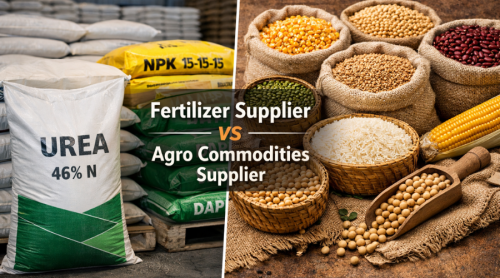
Bulk Fertilizer Supplier vs Agro Commodities Supplier: What Buyers Should Know
Finding the right supplier can be hard when you are new to agriculture procurement. Most customers waste their time calling suppliers that do not necessarily suit them. Others even require fertilizers to carry out farming activities; instead, contact commodity traders. Some others want to sell grain and mistakenly contact the fertilizer manufacturer. This misunderstanding is a waste of time, frustrating, and it postpones critical business decisions. The difference between choosing a bulk fertilizer supplier or an agro commodities exporter determines your future business activities. The use of each supplier type in the agricultural supply chain varies significantly. A fertilizer supplier deals with farm inputs, which increase the output of farms. An agro commodities distributor deals with processed or finished agricultural products. The differences between these two suppliers will help identify the best partner for business relations. Understanding Bulk Fertilizer Supplier Bulk Fertilizer Supplier provides large quantities of fertilizers to support farming. Among the fertilizers available to these suppliers are NPK mixes, urea, diammonium phosphate, and organic fertilizers. Every aspect of their business is designed to support farmers and agricultural activities, improving soil health and crop production. Such suppliers deal mainly with farmers who require fertilizers on their farms, distributors, whose sales are made directly to retail agricultural outlets, and agri-dealers, who sell to farming communities. This relationship is about consistent quality and delivery during periods of high demand, planting, and growing seasons. A bulk fertilizer supplier realizes that time is everything in the farming industry. Any delays during the planting season can impact the entire harvest. Orders placed by bulk fertilizer suppliers are typically in multiple tons or even container ships. An average-sized farm can have 10 to 20 tons of NPK fertilizer ordered during a growing season. A distributor may purchase 100 tons to store in inventory across various retail outlets. These large quantities enable competitive pricing and ensure sufficient supplies on farms during the growing seasons. The fertilizer supply business is sensitive to seasonal demand fluctuations. The orders are high at the beginning of key planting seasons when farmers are fielding, and distributors are filling up. Suppliers must maintain large inventories and maintain effective logistics to deliver during these concentrated demand periods. The most successful suppliers will work ahead with their buyers so they are available when farms need the products most. What is an agro commodities Exporter? An agro commodities distributor operates in another segment of the agricultural value chain. These suppliers trade in harvested agricultural goods that are ready for processing or export. Their inventory consists of pulses, seeds, and oilseeds as well as grains. It focuses on a business model in which farmers or market aggregators sell their products to buyers who process the commodities or sell them in local and international markets. An agricultural products supplier may purchase wheat from several regions, sort it by quality, and export it to flour mills in foreign markets. The main customers will be food-processing firms that require raw materials, commodity traders who purchase and sell agricultural goods in international markets, and exporters who sell goods to international markets. A spice manufacturing firm may place an order for several containers of raw turmeric. A grain trader can buy hundreds of tons of wheat to resell it. The transactions focus on product specifications, origin certifications, and delivery schedules. Global agro suppliers typically maintain supply relationships across multiple countries. They know about global quality requirements, exportation documents, and logistics. Some specialize in specific products, such as oilseeds and spices, whilst others offer a variety of agricultural commodity portfolios. Key Differences Buyers Should Know Product range The most obvious difference between these supplier categories lies in their product ranges. A fertilizer supplier will stock goods that are planted into the ground to enable crops to grow. An agro commodities exporter offers products grown in the ground after harvest. This is the fundamental difference across all aspects of how these businesses operate. Buyer type The types of buyers among the two supplier groups differ significantly. Fertilizer suppliers cater to the demand for farm inputs. Their customers are busy working on farms or sponsoring farms. Commodity suppliers work with buyers of finished agricultural products for trading, processing, or manufacturing. Their customers transform raw agricultural products into consumer goods or repackage them for sale in other markets. Supply chain focus The supply chain attention brings about another major distinction. Farm input suppliers are interested in the supply of products to farms before they get planted and during growing seasons. Their logistics focus on rural delivery, adequate chemical storage, and handling spikes in demand. Commodity suppliers control the post-harvest supply chain, which includes aggregation, quality sorting, storage systems, and international delivery via export logistics. Packaging and logistics The packaging and logistics needs of the two differ significantly. The fertilizer shipment usually weighs 25-50 kilograms, in bulk bags or loose bulk for large orders. Commodities are exported in bags, containers, or bulk, depending on the product and destination. Food-grade packs are essential for products intended for human consumption channels. Export deliveries require fumigation and phytosanitary documents. Usage purpose These suppliers are greatly differentiated by use purpose. Fertilizers are purchased as production inputs. They use these products on fields to facilitate crop growth. The fertilizers are not resold; they are used in agricultural activities. Agricultural commodities are traded as commodities. These products travel through supply chains, and often, within these chains, they change hands before reaching final processors or consumers. The commodities retain their shapes and may be resold, processed, or exported. Which Supplier Is Right for Your Business? Choosing the right supplier type based on your operations starts with understanding your business. Choose a bulk fertilizer supplier for agricultural operations, serving farmers or distributing inputs. Farmers need a reliable source for planning planting seasons and fertilizer. Agricultural cooperatives serving member farmers must have reliable, high-quality bulk fertilizer sources. Retailers' agricultural supply stores should sell fertilizers, seeds, and equipment. Choose an agro commodities exporter in case your business deals with agricultural products, refines raw materials to a finished product, or exports all commodities to international markets. Food processing industries require constant sources of quality grains, pulses, or spices. The export business needs suppliers who know the international quality standards and documentation. Commodity dealers need suppliers with diverse access and competitive prices to buy and sell agricultural commodities. There are businesses that, in fact, require links to both types of suppliers. Large-scale agricultural operations may purchase fertilizers for personal farming and sell crops through commodity markets. Integrated agricultural firms operate across the value chain. Rural cooperatives purchase fertilizers to provide to member farmers and collect and sell products harvested by members. You know your core business, so you can easily know who to select as a supplier. Input-oriented businesses require fertilizer suppliers. Commodity suppliers are required in output-oriented businesses. Both relationships, managed independently based on their respective needs, may benefit from integrated operations. What to Look for in Any Supplier Quality standards In both types of suppliers, some quality indicators are important, no matter what type of supplier you need. Any good supplier relationship is based on quality criteria and consistency. Fertilizer suppliers must supply products with an assured nutrient level that is within specifications. Commodity suppliers should provide agricultural products to agreed quality grades without excess foreign matter or moisture. Certifications Certifications confirm that suppliers comply with applicable standards and regulations. The international suppliers must be certified for their products and target markets. Organic fertilizers and organic agricultural products also have organic certifications. Food safety qualifications, such as HACCP, can be applied to a commodity supplier serving food-processing customers. Quality management certifications signify adherence to standards. Bulk supply capability Bulk supply capability ensures suppliers can consistently meet your quantity requirements. Strong suppliers maintain sufficient inventory during peak periods. They have storage facilities that protect product quality. Their logistics will be able to process your order quantities without delays or partial deliveries that disrupt their operations. Transparent pricing Transparent pricing fosters confidence and enables effective budget planning. Good suppliers have transparent pricing systems with no costs involved. They determine factors that affect prices, including raw material costs and exchange rates. Transparent suppliers also help buyers understand market conditions, not just through quotes. Reliable logistics Good suppliers and mediocre suppliers are divided by reliable logistics. All deliveries must be on time, as delays can disrupt production and even result in lost vital agricultural periods. Good transportation will prevent damage and quality deterioration. Good tracking systems enable buyers to monitor shipments and prepare accordingly. Clear communication Effective communication helps avoid arguments and resolve problems quickly. Suppliers are expected to respond to questions promptly and provide accurate information. They are supposed to take the initiative to inform you about possible delays, depending on market conditions affecting your orders. Communication will create a partnership rather than a transactional relationship. Why Supplier Choice Impacts Your Business Cost control The choice of supplier type directly impacts your costs and profitability. Poor supplier selection wastes time due to poor communication about products and requirements. Customers may receive incorrect quotes or inappropriate facilities. The numerous unsuccessful searches are delaying the procurement process while competitors continue operations. The right supplier will understand what you want and provide solutions tailored to it. Product quality Whether trading or farming, it will be the quality of products that will dictate your downstream success. Low-quality fertilizers yield lower crop yields, which in turn affect farm profitability. Low-quality agricultural products lead to customer rejections, price wars, and spoiled business relations. Good suppliers save your image and performance in the business. Delivery timelines Delivery timelines can categorize agricultural operations. Failure to deliver fertilizers on time misses planting windows, resulting in low yields. Late deliveries of commodities will violate your customer agreements, incur financial penalties, and damage your customer relationships. Trusted suppliers know that schedule is extremely important in agriculture and food supply chains. Long-term partnerships Competitive advantages are established through long-term relationships with the suppliers. Reliable suppliers prioritize your orders during shortages. They provide superior payment conditions to their established customers. They exchange market intelligence that can assist you in making appropriate business decisions. You can only establish these relationships with suppliers that share their business models with what is really required. Conclusion The services of wholesale fertilizer and agro commodities exporter play distinct roles in the agricultural economy. Fertilizer vendors focus on the farm inputs that support crop production. Commodity suppliers focus on harvest commodities, which are loosely traded and processed. Knowledge of this key difference enables buyers to identify the right partner quickly. The correct selection of a supplier saves time and manages business costs. You need time to identify your needs before approaching suppliers. Are you willing to find the right agricultural supplier for your business? Begin by specifying the type of farm inputs or finished products you need, then find suppliers in the relevant category.
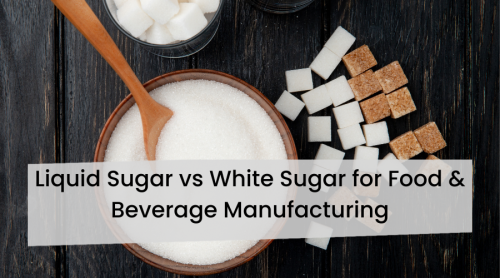
Liquid Sugar vs White Sugar: Which Is Best for Food & Beverage Production?
Food and beverage manufacturers face a grave decision to undertake whether to use sweeteners in their products or not. Liquid sugars and white sugar are both popular sweeteners, but differ significantly in their uses. The knowledge of such differences will help the manufacturing managers determine the best alternative to what they need. Understanding Liquid Sugar Liquid sugar refers to concentrated water sugar. A liquid sugar exporter usually supplies products with a sugar content of 60-67% by weight. The solution can be stored at room temperature and can easily go through production systems. Liquid sugar is made by manufacturers dissolving refined white sugar in clean water under controlled conditions. It involves filtration to remove solids and pasteurization to eliminate microbial growth. The product of this is clear, sweet, and ready to be used in production. Types of Liquid Sugar The most common type is liquid sucrose, prepared from dissolved white sugar. Compared to ordinary liquid sugar, it is sweeter and has different effects on final products. High-fructose liquid sugar has superior sweetness and alternative functional properties. There are also suppliers of liquid sugar that sell liquid brown sugar, which has a molasses-like taste and color. The types have their own uses depending on the desired level of sweetness and the nature of the product. Understanding White Sugar Production and Forms White sugar or granulated sugar is made of pure crystals of sucrose. This product is distributed by a white sugar supplier in various crystal sizes, ranging from fine to coarse. Refinement eliminates any residual molasses, resulting in the neutral white color and sweet pure taste. The crystalline form enables a long shelf life without any special storage requirements. White sugar is stored in bags or containers at a normal temperature. It is dry, easy to carry, and easy to store in large amounts. Quality Grades White sugar is available in varying grades of purity and crystal size. Fine granulated sugar dissolves fast and is appropriate for most baking. Large sugar crystals are good to use as decorations or when one wants to be slow in dissolving. Ultra-fine or super-fine sugar is easy to dissolve, almost instantly, and is therefore beneficial in cold drinks. A white sugar supplier usually has varied grades to suit various manufacturing needs. A brown sugar exporter also sources some of its operations when a molasses flavor is required. Comparison of Handling and Storage Liquid Sugar Logistics Liquid sugar requires specialized storage tanks and temperature controls. Most facilities require stainless-steel tanks with heating mechanisms to maintain appropriate viscosity. Sugar solutions should not corrode the pumps and pipes system. A liquid sugar exporter normally delivers it in bulk tanker trucks linked to storage tanks. This eliminates manual handling but requires infrastructure for receiving. Smaller operations can be supplied with liquid sugar in drums or totes that require various handling equipment. White Sugar Logistics White sugar comes in bags, bulk bags, and bulk trucks, depending on the required volume. A distributor of white sugar can serve customers with small bags and entire truckloads. Storage involves using well-ventilated, dry warehouses to prevent moisture absorption. Manipulation of white sugar may include conveyors, elevators, or manual transfer, depending on the size of the facility. Simple equipment is effective because of its dry nature. There is no need to heat or cool the building, which saves on energy. Storage Life Differences • Liquid sugar supplied by a liquid sugar exporter normally lasts for months when stored properly. The temperature is controlled, and fermentation and microorganism growth are avoided through clean handling. Regular tank cleaning preserves product quality. • A white sugar supplier offers white sugar with an indefinite shelf life when it is not moist. The crystal type does not spoil easily during refrigeration or preservation. The long shelf life provides elasticity in the stock management. Advantages of the Production Process Liquid Sugar in Manufacturing • Sugar syrup is dissolved in batches immediately during production. This eradicates the dissolution period of the granulated sugar. The convenience of the ready-to-use enhances faster production and a more uniform distribution of sweetness. • Liquid sugar is measured easily with automated pumps and flowmeters. It is easier to achieve an accurate dosage with the liquid sugar. The melted shape is incorporated in continuous production lines. • Liquid sugar is also very useful in the manufacturing of cold beverages. The slow dissolution of granulated sugar in cold liquids poses challenges. A liquid sugar vendor has solutions that are instant in any temperature. White Sugar in the Manufacturing • White sugar is useful for its flexibility, such as in dry mixing. The crystalline structure helps in baking operations by aiding texture. Sugar crystals whiten when fats are used and add air during mixing. • A white sugar supplier provides a product that does not dissolve in the formula when water is added. This is important when moisture levels need to be brought closer to the mark. Dry components are combined, and then liquid additions are added, which provides the formula's flexibility. • In many applications, the crystallization of sugars and the development of texture require the presence of sugar crystals. Candies, frostings, and some baked products require the physical properties of crystalline sugar. The products of brown sugar exporters offer the same advantages and additional flavor layers. Cost Considerations • Liquid sugar is usually more expensive per pound than white sugar. The processing, water content, and highly specialized delivery are also costs. But focusing solely on sugar costs overlooks key elements. • A white sugar supplier offers a lower price per pound. Facilities should, however, consider the costs of dissolution labor, equipment, and energy. The analysis of the total cost considers all factors, and not only raw materials prices. Hidden Costs and Savings Liquid sugar is used to eliminate the need for dissolution equipment and the labor involved. There is also the elimination of energy expenses in mixing and heating water. In most operations, these savings can offset the cost of expensive materials. White sugar needs investment in handling Furniture and dissolution facilities. Mass production requires advanced equipment to dissolve the large amounts of sugar required each day. There is the cost of labor, which increases in the long term. Liquid sugar is preferred for waste reduction. Undissolved sugar crystals may be lost during cleaning processes. A liquid sugar exporter offers a fully dissolved product with no waste from the dissolution process. Advantages of Quality and Consistency Liquid Sugar Advantages • Liquid sugar has an excellent batch-to-batch consistency. All shipments of a liquid sugar exporter are of the same specification. The soluble nature is what gives all production runs the same level of sweetness. • Pasteurization is effective in increasing microbiological safety. The regulated facility lowers the risks of contamination. Thanks to production, clean closed systems have minimal exposure to airborne contaminants. • More accurate control systems and measurements are better with liquids. Formulations are regulated automatically with precision to sugar. This consistency implies the similarity in final product quality. White Sugar Advantages • Predictable sweetness is associated with pure sucrose content. A white sugar supplier offers a substance with regular chemical characteristics. This purity is important in certain chemical reactions involving sugars. • The crystalline structure adds functionality to the sweetness. Crystal size influences the finished products' texture, appearance, and mouthfeel. These properties cannot be duplicated with liquid sugar. • White sugar offers a long shelf life for the formula. Sugar of the same lot could be used to produce products months apart. A brown sugar exporter provides the same stability with added flavor ingredients. Equipment Requirements For Liquid Sugar Systems • Infrastructure is provided with the help of tanks, pumps, and heating systems. Initial cost may be high, particularly in small operations. This will include routine cleaning and periodic equipment replacement. • Pipe systems should be designed in the right way to avoid the accumulation of sugar. Tracery lines are maintained by heating in coolers. Such systems require ongoing power costs and regular maintenance. • Dosing is accurate with the use of metering pumps and flow controls. These systems are combined with production equipment through automated controls. High-volume operations are justified by their precision. For White Sugar Systems • There is bag-handling equipment, including simple manual and automated bag dumpers. A white sugar supplier can help advise about the systems that can be used, depending on the volume. The investment size depends on production requirements. • Dissolution tanks need mixing equipment and temperature regulators. Sugar is dissolved in water, heated, and agitated, and then utilized. The sizes are based on production rates and batch Schedules. • Sugar storage to dissolution or mixing points is done through transport systems. Conveyors, elevators, or pneumatic systems serve various facility layouts. The choice of equipment is a tradeoff between cost, automation level, and convenience. Factors related to Environment and Safety Liquid sugar considerations • Spills result in sticky messes that have to be cleaned up instantly. Liquid sugar makes floors hazardous. These risks are managed by training and equipping employees. • The cleaning of tanks also produces sugary wastewater that needs to be properly disposed of. Environmental regulations can apply to discharge or disposal. There may be a need for treatment systems in certain places. • Operation costs include energy used in heating and pumping. The retailer of liquid sugar offers a product that requires continuous energy input. These ongoing costs should be included in the facilities' costs. White Sugar Considerations • Handling produces inhalation dangers as well as explosion dangers. Workers and facilities are taken care of by well-ventilated and dust collection systems. Constant cleaning prevents dust from building up. • The environment should be kept dry so as to avoid clumping and contamination. Climate control systems may be necessary to control the humidity in storage areas. A white sugar supplier usually provides guidance on the correct storage conditions. • Utilizing water in the dissolution increases utility expenditures. To heat this water, more energy is required. Depending on the quality requirements, this water may require treatment before use. Making the Right Choice The volumes of production also play a very important role in making the best decision. The high-volume continuous operations often justify liquid sugar systems. White sugar would be more convenient in smaller batch operations. The type of product defines the best form. Liquid sugar is usually advantageous in beverages. Baking processes usually require crystalline sugar. Other facilities apply both forms to various product lines. The current infrastructure affects implementation costs. A major investment is required to convert white sugar to liquid sugar. A new plant can create systems around a selected form of sugar at the beginning. Working with Suppliers Establishment of trust with trusted suppliers creates reliability in quality and service. A liquid sugar exporter should provide technical support and responsive delivery. A white sugar supplier must offer flexible ordering and assured logistics. Other operations handle some specialty goods with a brown-sugar exporter and have white-sugar reserves to produce the normal goods. Numerous supplier relationships provide flexibility and security. The contract terms influence total cost and supply security. Greater commitment can also win better prices. Storage limitations are managed through flexible delivery schedules. Conclusion Liquid sugar or white sugar should be used based on production requirements, available infrastructure, and product requirements. All these features of the two forms make them ideal for use in different applications and production scales.

How to Choose a Reliable Sunflower Seed Kernel wholesale and Seed Exporter
The global demand for sunflower oil, kernels, and seeds is massive. The farming, cattle, baking, and even biofuel industries rely on sunflower kernels and seeds for that. Culinary, animal feed, and farming are the key industries that look for bulk supplies. They need an authentic quality to extract oil and other byproducts from sunflower seeds. If the quality doesn’t meet the global standards, a supplier doesn’t qualify for the sourcing process. Every factor matters because the health of humans and animals is directly connected to it. If you are choosing a sunflower seed kernel supplier, here is a step-by-step guide for you. It will lead you to choose a supplier who can partner with you for a sustainable trade. Search for a Sunflower seed Kernel Supplier via B2B Platforms The first thing you will have to do is search for a supplier. You can go through B2B platforms because they are modern business directories. They help you connect with not only a sunflower seed exporter but also countless other exporters. It could be about bulk oat gains or any other type of grain you are looking for. You will find more convenience on these platforms because they will filter search results for you. Food-grade or any other type you want will be easily available on these B2B platforms. Once you finalize a supplier, here comes the next step. Ask for Certifications and Compliance from Selected Supplier You will have to ask for certifications because they are the key indicators of authentication. To avoid fraud, you will have to ask for certifications like ISO, GMP, and HACCP to make sure the supplier is authentic. All these food-safety indicators will help you connect with a reliable sunflower seed exporter. Every authentic business provides all the mandatory documents to prove its global safety compliance. They comply with international regulations to offer only safe and reliable sunflower kernels and seeds. Evaluate Production Experience and Reputation Ask the selected supplier about the production experience, which is usually mentioned on B2B websites. Still, you need authentic documents to verify if the supplier has a reputable reputation in the industry. Whether you are looking for a sunflower seed or coriander seed distributor, this part is essential. There are many traders in the industry who may or may not have years of experience. It is your job to cross-check the exporting experience of an exporter or supplier before you go ahead. Ask the exporter to share authentic client testimonials or export history. Evaluate Supply Capacity and Quality Consistency Once you clear the primary authentication, let’s move on to the supply capacity of the exporter. When sourcing bulk sunflower kernels, one has to decide how much quantity they need. It all depends on the application of kernels, whether it is for culinary or any other purpose. If you are about to procure megatons, you will need confirmation from the exporter about the MOQ limits. Then you can go ahead. Here are the factors that are part of supply capacity and quality consistency. Ask for quality consistency, especially if you are sourcing kernels for the extraction of sunflower oil. Food industries procure it for culinary purposes in baking, granola bars, etc. That means they need to ask for non-GMO proof and other factors. If it is for animal feed, you will have to look for factors like moisture content, breakage, and foreign particles. The same rule applies to farming and culinary purposes. The supplier must have the ability to handle bulk orders, along with maintaining the purity level in kernel consistency. The consistency should exist in both the quality and quantity of kernels. Ask for a Sample Before Placing Bulk Orders It is better to take precautions than regretting them later. It means you must ask for a sample of sunflower seeds and kernels before placing a bulk order. The sample will provide you with an estimation of the kernels’ quality and also help you verify if the supplier is authentic. Some suppliers are just middle parties claiming to be manufacturers, and you should know about it. If a supplier is claiming that they are a trader who sources seeds and kernels from other sources, you can at least trust their honesty. Still, you should ask for samples to avoid problems later. Hire a Local Legal Firm for Factory Audit If you are sourcing from a country whose suppliers are often suspicious, it is better to verify further. All you have to do is hire a local legal firm that can do a factory audit. Such firms exist in every country that visits and verifies the supplier’s authenticity. They cross-check with local and governmental regulatory bodies to provide you with complete data. Then you can decide whether to go ahead with the order placement process or not. It happens when you fail to verify documents and the sample provided by the exporter. If everything goes well, you can move on to the next step. Assess Storage, Packaging, and Logistics Support Then you go for the storage conditions, preservation, and packaging of sunflower kernels. It is better to get all the details to estimate the shelf life of kernels and seeds. Every exporter has to convince the buyer regarding the logistics and storage information. It shows if the kernels are safe from risk of contamination, infestation, and mold. Export-grade packaging, shipping documents, and logistics information will ensure that the shipment is in safe hands. Price, MOQ, Cost Transparency, and Payment Methods This part usually comes at the bulk order placement, and B2B websites also share per unit price. Finalize the MOQ at the time of the order placement process. That includes payment methods, which have to be safe and authenticated. Choose a neutral gateway that provides a safe transaction. Market Competitive and Fair Pricing Besides, you have to ask for wholesale prices that meet your budget limits. Since prices are negotiable, you should ask for the maximum discount if the order size increases. The price must be fair and market-competitive for better affordability. Ask for Any Hidden Costs That includes cost transparency because hidden costs can cause problems later. Ask for documents that share every possible cost in the procurement and delivery process. Incoterms, Documentation, Logistics Support Ask the supplier to provide clear and correct information to avoid any problems at the port. Wrong Incoterms could cause severe problems like penalties and even worse at the port. Complete all the documents that can support the logistics operations. It includes the selection of a shipping company, which must be agile and cost-effective. Ask for Order Repetition Process and Customer Support The order placement process is not just a one-time act because a business has to replenish the order. That means you will have to ask for the order replenishment process, which should be agile. Ask the supplier to integrate with your business if it solely relies on sunflower seeds and kernels. It is about integrating software for frequent order repetition along with responsive communication. It includes clear documentation, handling, and prompt customer support from the supplier. Why Does It All Matter in the Sunflower Seed Kernel Supplier Selection? It all matters because you are procuring bulk sunflower seeds and kernels. Your investment and business value are connected to it. Any mistake in the procurement process can lead to severe problems. The worst could lead to even massive losses if you fail to follow the right procedure. The sunflower seed kernel supplier selection is the root of your business transaction. If you get a reliable supplier, the rest of your business operations will be affected by it. If you aim for a sustainable business and long-term financial success, you will have to follow it. Conclusion Select the sunflower seed kernel supplier carefully, because the rest of your business operations depend on it. A business needs integrity for long-term survival. If you choose the right supplier, you can achieve at least half of your objectives. All you need to do is search for a supplier on B2B platforms, analyze authenticity, and ask for supply capacity. Once you verify all of them, move on to order placement, price finalization, and shipping conditions. All these factors will lead to a successful trade partner selection process if you do it right. FAQs Why choose SK Logistics International as your sunflower kernel seed supplier? We are a bulk trader who can source sunflower kernels from authentic sources. You can ask us for documentation and other requirements before placing bulk orders. We will meet your requirements, from quality to quantity. What quality standards do your sunflower kernels meet? Since we source sunflower kernels from different origins, you can ask for documents at the time of order placement. We will share documents that show the authenticity of kernels. Which countries does SK Logistics International export to? We are a global trader that trades across the globe. You can consider us for the worldwide supply of kernels and seeds of different types. How can I contact SK Logistics International for sunflower kernel exports? You can contact us through the information we provided on our contact page. Our inquiry page is also available with every product you explore on the website. What packaging options are available for sunflower kernels? We have various options available that are globally recognized. Our customer support team will provide all that information.