
.jpg)
Blogs
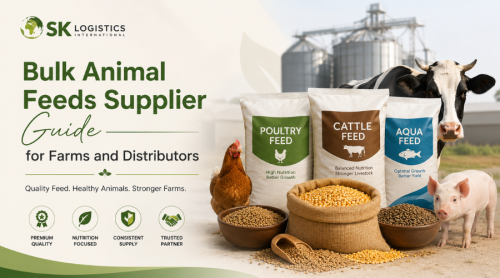
Bulk Animal Feeds Supplier Guide for Farms and Distributors
Farms and distributors need a safe and consistent supply of feed for all kinds of farm animals. The entire food chain relies on those farm animals, and they rely on their feed. Every farm owner and feed distributor needs an animal feeds supplier who can offer affordable supplies. That includes a wide range of feed types, safe quality, and repetitive supply. To find such a supplier, buyers have to do a deep analysis by searching online. In this modern age, it is easier to find suppliers without physically meeting anyone. How to do that is all available in this blog. How to Find a Farm Animal Feed Supplier? You will have different options to find a farm animal feed supplier on a local and global level. You can either go for a direct supplier or a trader. It all depends on the budget limit and availability of all the types of animal feed you need. If you look at both options, you will find pros and cons in both. Once you do an analysis, it will be easier for you to select better. Global Manufacturers The first option for you is to have a global manufacturer. It is way easier to find a global manufacturer nowadays compared to decades ago. All you need is a personal computer or even a smartphone to search for a global supplier. It is about using a B2B platform like Alibaba.com, Made-in-China.com, Tradewheel.com, etc. There are more than ten major B2B platforms to find an animal feed supplier on a smartphone’s screen. Global Trading Companies The second option is a global distributor or a trading company. For instance, SK Logistics International is a trading company that has an ample supply of animal feed of different types. It may offer low MOQs that are hard to get from a manufacturer. It is a bulk trading company that can source exactly the kind and quantity of farm animal feed you need. Supplier History and Business License Make sure the supplier you choose has a business license. You need to ask for a business license and certifications, along with supplier history, when finalizing a supplier. Ask for the contact details of previous buyers to make sure the supplier has a clean track record. Also, you will find out about certification types at the end of this blog. How to Choose Farm Animal Feed? The moment you finalize your supplier, you will have to know about one main thing. It is about making sure your supplier has every kind of farm animal feed you need. Catalogs are available on the website, where you can search for types of animal feed. A reliable and versatile animal feeds supplier usually has all the essential types of animal feed. Selection on the Basis of Animal Type and the Nutrients They Need It is clear and obvious that you will have to know about the animals you are choosing to feed. These farm animals have specific requirements based on their nature. There are various kinds of animals on a farm, like poultry, ruminants, bovines, fish, and a few others. They have different body natures and structures, which makes a difference in their diet. Choosing an animal feeds supplier requires a buyer to know about all the popular types of feed. Here are some of them that will help buyers in the selection process. • Timothy Hay – It is high in fiber and low in calories and calcium. Farms need this feed type for all the grazing livestock. This feed type promotes the digestive system by supporting gut health. • Rhoades Hay – This energy-rich and drought-resistant animal feed is very beneficial for cattle and bovines. It is high in fiber to support milk production and digestive health in ruminants. • Orchard Grass Hay – This farm animal feed is for cattle and horses because of its simple digestibility. It is very palatable, rich in fiber, and promotes better health. It also supports bone health through its calcium content. • Alfalfa Hay - Ruminants, especially cattle, need high protein and calcium. This easily digestible feed provides those nutrients along with vitamin A. • Soybean Meal – Farm animals need plant-based protein, which comes from this feed. It has maximum protein levels with high digestibility. Poultry, cattle, and fish require this feed the most. • Fish Meal – It is one of the best feeds for chickens, turkeys, and even fish. The amount of protein, especially amino acids, is very high in it. It promotes the muscular health of birds, especially in the yolk formation of eggs. Likewise, it supports muscle growth in livestock. • Mealworm Powder – This feed is high in protein, calcium, and fatty acids. Fish and poultry need this feed the most. • Corn – This essential feed is also for poultry and fish because of its high-energy content. It contains vitamin A, which promotes egg pigmentation in chicken and turkey. • Wheat- This animal feed is for fish and poultry. It is best for egg production in hens and turkeys. Wheat promotes stable growth, especially in bovine animals. • Millet – This farm animal feed contains fat and protein, and it contains high moisture and energy. It is a drought-resistant feed that helps farm animals in hot regions. • Barley – It is more suitable for bovines because it has fiber and protein. Farmers need this feed because it helps in milk production. Also, it promotes weight gain through its high energy density. • Oats – They have high fiber that supports the digestive health of ruminants. Oats maintain a stable digestive system for the overall health of ruminants. What Certifications a Farm Animal Feed Supplier Must Have? There are a number of certifications mandatory for a farm animal feed supplier. Until that supplier has these certifications, it will not be possible to trade globally. They are ISO 22000, GMP, PDI, HACCP, Halal, USDA, FDA, and non-GMO-farming certifications. Some certifications may be mandatory for global supply, and some are for specific regions. For instance, EU regulations require specific certifications for compliance. What to Look for When Analyzing Farm Animal Feed Quality? There are some factors that you need to consider when selecting farm animal feed. These factors help buyers understand the purity level of feed for the safety of animals. It is the responsibility of the buyer to make sure the feed is completely safe from any harmful elements. Anything that goes wrong with the quality may risk the lives of animals, and even end consumers who consume their by-products. Color and Moisture Content The first thing is the appearance and moisture content of animal feed. It all depends on the feed type you select because conditions vary. Some animal feed types must have very low moisture to reduce the risk of mold and fungus. While some must have high moisture for freshness and hydration. If it is seed, grain, or powdered-type feed, the moisture level must be less than 10%. If it is green feed, the moisture content has to be around 40% to maintain the freshness level. Foreign Material There must be 100% purity in the animal feed because any error in the selection can cause severe risk of animals’ lives. Make sure there are no plastic, glass, metal, or even wood shards or pieces in the feed. These hazardous elements can cause injuries to animals, which means strict measures are mandatory in the inspection process. Pesticides Residue There must not be pesticide residue in the animal feed. The supplier has to make sure the crops are well cleaned and free of any chemicals used in the farming process. Lab tests and various inspection processes take place in it, where a supplier has to share details with buyers. High Traceability The animal feed you are procuring must be easily traceable. It means you need to have its batch number, farm’s location, harvesting date, packaging date, and shipping date. These details allow a buyer to know about the estimated expiry date or shelf life of animal feed. How to Finalize MOQ and Price with a Farm Animal Feed Supplier? Every animal feed supplier has a different MOQ and price range for the buyers. Although market-competitive prices are available, some suppliers have the advantage of offering better discounts. They also have flexible MOQs depending on the supply size they maintain. So, you will have to ask for the order size because larger orders have higher discounts. Consider Shipping Conditions, Documentation, and Reordering Process The last thing a buyer has to do is finalize the shipping conditions. There are various suppliers who offer shipping services, and you will have to discuss it with your selected supplier. The overall cost is part of it, where you can finalize these details with the supplier depending on your budget. Make sure you finalize all the documentation to have a smooth customs clearance process. The payment gateway and custom charges also need attention, where you and your supplier will have to decide it earlier. Then you need to ask your supplier about the reordering cycle and its efficiency. The reordering process is as important as anything else. Conclusion Farms and distributors have to find a bulk supplier of farm animal feed to run the entire farming system. Every animal, from fish to ruminant, requires a different feed. To keep every animal healthy and productive, the selection of feed matters the most. That is why this guide will help every buyer in the selection of animal feed based on the type of animal and the nutrients they require. Local distributors and farms have to connect with a global supplier who can offer budget-friendly animal feed. Such suppliers are available on B2B platforms. FAQs How to Source Farm Animal Feed Like Alfalfa Hay at Wholesale Price? You need to find a bulk supplier online on any B2B platform. To save your time, you can choose SK Logistics International. It also has a mega supply of alfalfa hay at wholesale prices for global buyers. Who Supplies Wholesale Soybean Meal as Farm Animal Feed Worldwide? SK Logistics International is one of the global suppliers of animal feed. It has soybean meal in large volumes for farms and distributors. Which Farm Animal Feed Supplier Can Supply Poultry, Fish, and Ruminants’ Feed? There are many farm animal feed suppliers who have different types of feeds available. You can find such suppliers on B2B platforms easily. Even a trading company like SK Logistics International can meet your requirements.
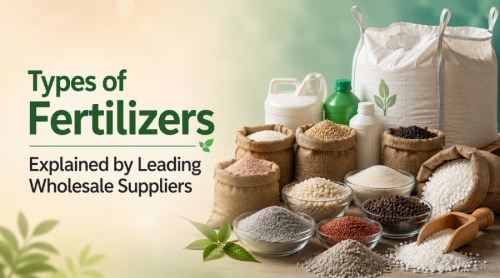
Types of Fertilizers Explained by Leading Wholesale Suppliers
Procuring fertilizers in large volumes is a very challenging task. One must have complete information regarding the ratio of fertilizers for the best results. Not focusing on the ratio can cause significant errors, which can lead to problems in farming. Crops require an ideal choice of fertilizers, and one needs a wholesale fertilizer exporter for it. Once a buyer connects with such an exporter, the selection process becomes convenient because an expert can better guide them through the selection process. So, here are all the details one needs for the selection process in order to get the best results. Nitrogen Fertilizer The most common type you can expect from any wholesale fertilizer exporter is a nitrogen-based type. A nitrogen fertilizer is the primary need for any crop when it comes to leafy green production. It promotes rapid plant growth, which comes from chlorophyll production. So, nitrogen fertilizer is the best choice for farmers when it comes to increasing the chlorophyll production in most plants. Urea Fertilizer Urea fertilizer is the core need of every farmer because it contains 46% nitrogen and no potassium or phosphorus. That solely focuses on the high nitrogen supply for crops that need leafy green production. Crops and plants that need a big boost in chlorophyll production require NPK 46-0-0. Urea fertilizer’s high nitrogen supply makes it suitable not only for crops but also for gardens and lawns. Every wholesale fertilizer exporter supplies it because urea is among the primary fertilizers one needs for basic plant growth. Ammonium Nitrate Then there is another nitrogen-focused fertilizer, which is ammonium nitrate. It is highly beneficial for the production of fruits and vegetables. You can expect every farmer to use it in most cases when the focus is on the rapid growth of fruits and vegetables, especially the leafy green ones. Its NPK ratio is 34-0-0, which is less than urea, but it is still very active for its primary function. A wholesale fertilizer exporter supplies it because it is an essential need of farmers. Its high solubility in water enables nitrogen supply for plants. That is what plants, especially in nurseries, need. Phosphatic Fertilizer (DAP 18-46) Then comes the phosphorus element, which is another primary requirement of crops. Since phosphorus focuses on the root strengthening process, phosphatic fertilizer does the same. It is a combination of two macronutrients, and this is why its other name is diammonium phosphate. It is one of the best fertilizers for root development and yield production. Farmers who seek better outputs by promoting plant growth use DAP 18-46-0 fertilizer. Its high phosphorus makes it a widely famous choice for cereals like maize, wheat, and rice production. Monoammonium Phosphate Fertilizer Here is one of its types, which is monoammonium phosphate (11-52-0). It is very high in phosphorus but also contains a mild quantity of nitrogen. High phosphorus increases boost the root development process. This combination makes it best for alkaline soils because it reduces PH levels. Soils that are highly alkaline are not suitable for some crops, and monoammonium phosphate is suitable for them. It reduces alkaline levels by adding acidity that strengthens plant roots. This phosphorus-based fertilizer is suitable for cereals like corn, wheat, and rice. It is another reason why it is suitable for nurseries and the starting stages of plant growth. Potash Fertilizer Then the third element of most fertilizers is potassium, which makes potash fertilizers a very essential choice. Plants need protection from disease, and it can only come from potassium-based fertilizers. Every wholesale fertilizer exporter supplies these fertilizers to complete the basic requirements of all farmers. Not using this fertilizer is like leaving the crops at the mercy of diseases. Potassium Chloride 60% (Powder) One of the highest-potassium-concentrated fertilizers is potassium chloride. Its NPK ratio is 0-0-60. When it comes to superior protection of crops from disease, it is the need of all farmers. It boosts disease resistance in plants and crops, so they can survive longer. When it comes to root development by protecting from diseases, this fertilizer’s powdered form may be useful. Nitrate of Potassium (NOP) Then comes another type of potassium-based fertilizer, which is potassium nitrate. It is the best choice when it comes to providing low nitrogen and high potassium to crops. Its NPK ratio is 13-0-45, which makes it easy to understand when procuring from a wholesale fertilizer exporter. Nitrogen enables leafy green production, and potassium boosts root protection. Also, it is a water-soluble nutrient that resists salinization in soil. That is what many kinds of crops and plants require. Muriate of Potash (MOP—White Fine Technical) If you look at muriate of potash, it is another term for potassium chloride. So, if you are procuring it in bulk, you can use this term where the NPK ratio and everything is the same as 0-0-60. Sulfate of Potash It is another type of potash fertilizer, which is needed by farmers who fear disease in crops. To eliminate that risk, they procure this 0-0-50 fertilizer from a wholesale fertilizer exporter. It increases disease resistance in plants and crops for better survival in disease-prone conditions. The plant protection and root development are important factors, and sulfate of potash provides help in them. Sulfate is good for the formation of proteins used by plants. If you look in detail, sulfur helps in a plant’s growth through amino acid production. Farmers require potassium sulfate to deal with the risks of diseases. NPK Fertilizer Since you have read some types of NPK fertilizers, here is a full focus on them. The NPK fertilizers meet every custom requirement of farmers, whether they want leafy green production, root development, or disease protection. Every crop and land type has different requirements, and NPK fertilizers help farmers meet each of these specifically. NPK (15-15-15) Here is a balanced type where a wholesale fertilizer exporter knows that a crop needs all three primary elements equally. This fertilizer is best for crops where leafy green production, root development, and disease protection are equal priorities. It is best for essential crops or cereals like wheat, rice, and corn. Even many vegetables and fruits need NPK 15-15-15 fertilizers when they need basic nutrients. Nurseries also need this fertilizer because it meets their primary requirements to survive. NPK (20-10-10) Then we have NPK 20-10-10 that focuses more on leafy green production. However, it also has a balanced supply of phosphorus and potassium for overall development. Leafy vegetables like spinach, kale, and lettuce need this fertilizer the most. It is also suitable for gardens and lawns where people need high chlorophyll production. Crops that show high deficiencies in nitrogen in physical appearance also need NPK 20-10-10 fertilizer. NPK (8-20-30) In some crops, farmers procure NPK 8-20-30 fertilizers from a wholesale fertilizer exporter. When their focus is on root development, this fertilizer provides the best support for root vegetables like potatoes, sugar beets, etc. Also, the flowering process needs this fertilizer for the best results. It strengthens roots to absorb water for better survival in drought seasons. Magnesium Nitrate Fertilizer Then we have a magnesium-based fertilizer, which is magnesium nitrate. It promotes photosynthesis for chlorophyll production. Plants that show nutrient deficiency require this fertilizer in many cases. This fertilizer is safe for crops with chlorides and sodium. Magnesium activates enzymes for better growth in plants and crops. Also, they absorb sunlight better for leafy green production. This fertilizer works as a foliar spray and improves sugar content in crops. Calcium Nitrate Tetrahydrate Fertilizer The last fertilizer is calcium nitrate tetrahydrate. It is one of the best choices for plant growth, especially when there is a high nutrient deficiency. What it also does is improve soil health and strengthen the cell wall. These functions make it the best choice for vegetables and fruits, especially the ones with a leafy green nature. It is also best for hydroponics and the fertigation process. Conclusion There are many kinds of fertilizers that meet the specific requirements of all kinds of crops in the world. Each category of crop has a different requirement, and it can only be fulfilled through the right selection of fertilizers. That can only happen when one has a supplier who can supply most types of fertilizers. Nitrogen, phosphorus, potassium, magnesium, calcium, and sulfur are the primary elements in them. Selecting fertilizers requires in-depth knowledge, and farmers know what they need in each condition and crop. FAQs Where Can I Source NPK (15-15-15) Fertilizers in Large Volumes? You can procure NPK 15-15-15 fertilizers from SK Logistics International South Africa. It has a bulk supply across the globe and reasonable prices. Where Can I Procure Magnesium Nitrate Fertilizers in Bulk? SK Logistics International South Africa can meet your requirements. It has a bulk supply of magnesium nitrate for your crops. Who Can Supply Calcium Nitrate Tetrahydrate Fertilizer at a Reasonable Price? You can procure from SK Logistics International South Africa. It has plenty of supply and reasonable rates. Who Has an Affordable Supply of Phosphatic Fertilizers and Potash Fertilizers? SK Logistics International South Africa has an affordable supply of NPK fertilizers like phosphatic, potash, and nitrogen-based ones.
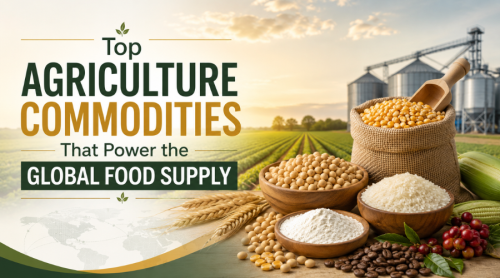
Top Agriculture Commodities That Power the Global Food Supply
From humans to animals, all living creatures require basic food commodities to survive. These are the agro commodities like grains, that feed the entire world. Without these commodities, one cannot expect the secondary food commodities like meat, milk, and eggs to take place because farm animals also require agro commodities to survive. That is how essential an agro commodities exporter for the world. Lots of industries rely on it, and there is no household that does not need agricultural products. This guide will provide you with complete insights regarding these agro products, which can help you choose exporters or even importers easily. Global Grain Production Statistics The global grain production size is approximately 3 billion tons annually, as per the latest data for the year 2026. The statistics may fluctuate a little because of various environmental and political situations in some regions. However, the production size is nearly 3 billion tons. In this total size, the largest contributors are corn, wheat, and rice with around 2.6 billion tons of production. Lots of food manufacturers, distributors, and traders heavily rely on these three types of prime grains. They are the key agricultural commodities that hold the global food supply. Which are the Top Essential Crops That Feed the World? The three main essential crops are wheat, corn, rice, and barley. Countless food businesses procure them in tons to meet massive demands regularly. Commercial, industrial, and residential sectors rely on foods that are mainly manufactured with these crops. Besides, there are some additional grain foods or agricultural crops that you need to have a look at. Maize/Corn The first is corn or maize, which is a primary ingredient in many foods around the world. Tortilla, popcorn, corn oil, and various kinds of foods are prepared with corn. Countries like Mexico are the biggest importers since most of their dishes require maize as the main ingredient. The market size of maize as of 2025 is around USD 50 billion. It is among the largest and most demanded agricultural products in the world. Its top importers are Japan, Mexico, South Korea, Vietnam, and Egypt. This is another reason why it is very popular in Asia. Agro commodities exporters of maize also export it to Europe and South America. The top exporters of corn or maize are Brazil, Argentina, the US, and Ukraine. Barley Then we have the next most-consumed agricultural product, which is barley. Its top exporters are Russia, Australia, France, Germany, Canada, and Argentina. These countries have abundant production of barley, which makes them lead in the barley industry. The top importers of barley are China, Spain, KSA, Belgium, and the Netherlands. Besides these countries, there are many countries that procure them since they have lots of foods like porridges, soups, and savory dishes that require it as a main ingredient. The current market size of barley as of 2025 is around USD 25 billion. Sorghum Sorghum is another popular and one of the most consumable agricultural foods in the world. Its estimated market size is around USD 15 billion. Agro commodities exporters supply them worldwide because sorghum has various health benefits. It is like an alternative to rice and corn in many ways. This is why its top importers are China, Ethiopia, Japan, Kenya, and Mexico. Besides, its largest exporters are Argentina, the US, Australia, and Ukraine. Rice Rice is among the top agricultural commodities in the world that are consumed in almost every country. Continents like Asia have the largest consumption rate of rice, which is why the largest exporters and also the importers are from Asia. Countries in the West, South, Central, and East Asia heavily consume rice in countless dishes. That is the main reason why the demand is huge. Since the world population’s biggest or majority chunk lies in Asia, there must not be any confusion in expecting the demand size of rice. The top exporters of rice are India, Pakistan, Thailand, and Vietnam. Some other Asian countries are also on the list, and the same is true for importers. Even the top importers of rice are from Asia. They are KSA, Philippines, Indonesia, Iraq, and a few other countries. The market size of rice is around USD 315 billion as per the latest data from 2025. Wheat Just like rice, wheat is also among the most consumed agro commodities in the world. Almost every food business at the commercial and industrial levels demands it. An agro commodities exporter of wheat has to make sure the industries, retailers, and fast-food chains get enough supplies of wheat. Its largest importers are Türkiye, China, Egypt, Indonesia, Italy, and Mexico. Besides, many Asian countries like Pakistan, India, Bangladesh, and Afghanistan are among the largest consumers of wheat. Local production in these countries meets massive domestic demands and even meets some foreign demands. Likewise, the largest exporters of rice in the world are Russia, Canada, the US, and Australia. These countries mostly supply Europe, the Americas, and some parts of Asia. The market size of wheat is near USD 250 billion. Sugar (Sugarcane) One cannot expect a huge chunk of the food industry, confectionery, without sugar. Sugar is one of the top agricultural commodities in the world without any doubt. Massive demands with high consistency remain in industrial, commercial, and residential sectors. Bakeries and confectioneries are the largest businesses that heavily rely on the sugar supply. The largest exporters of sugar are Brazil, India, Thailand, and Australia. Brazil has the largest share in the industry, where the primary supply is of sugarcane. If we look at the top importers of sugar, they are China, the US, the EU, and Indonesia. The list of importers is huge because no sweet product can be manufactured without sugarcane. Both white and brown sugars come from it. That is why the estimated market size of sugar is USD 235 billion. Pulses One cannot rule out pulses because they are an umbrella agricultural food with a wide range of subcategories. Beans and lentils of an extensive range are found in the agricultural sector, where an entire canned food industry depends on them. Besides, Asian, African, American, and European markets have consistent demand for pulses. The canned-food industry, commercial food businesses, industrial manufacturers, and retailers need agro-commodity exporters. They need suppliers from top exporting countries like Canada, Russia, Australia, and Myanmar. The top importing countries of pulses are India, Turkiye, Bangladesh, the UAE, and Pakistan. These countries have the largest consumption based on their collective population size. India is the first, and Pakistan is the fifth most populated country in the world. Their local production of pulses is not enough to meet their demands sometimes. Lastly, the estimated market size of pulses is USD 25 billion. Potatoes The last is potato, and industries of packaged chips, fried chips, and countless cuisines have massive demands for potatoes. No fast-food chain that serves French fries can survive without potatoes. Various homemade foods contain potatoes across the globe, and you can have an idea about the demand size. This is one of the few vegetables that are loved by end consumers in various forms. Its top exporters are France, the Netherlands, Germany, and Canada. Besides, there are many other exporters that meet global and local demands. If we look at the top importers of potatoes, they are Belgium, Spain, Italy, the US, and the Netherlands. The estimated market size of this lucrative agricultural food is near USD 120 billion. Major Crops in Global Food Supply The major crops in the global food supply are wheat, maize, rice, sugar, barley, potato, pulses, and sorghum. Commercial businesses like restaurants, hotels, superstores, cafes, and food stalls have massive demands for these commodities. Industrial food manufacturers have higher demands for these commodities since they deal on a larger scale. Agricultural Commodities Market Trends The trends are slightly changing because people are switching to organic foods. The slow awareness and the impact of social media are making people demand more organic foods that are safer options. Therefore, they demand agricultural foods that have the least use of pesticides, fertilizers, and other harsh chemicals. End consumers want natural food that promotes health and hygiene. Since organic production is costlier than standard production, the demand is negligible. The global importers prefer profits over the hygiene and safety of consumers, which is why they somehow convince the end consumers to remain stable at the standard food commodities. Conclusion Agricultural commodities are the primary requirements of the entire world. The global food demand for some foods like rice, sugar, wheat, barley, and corn is the highest. These are the foods that are the primary ingredients for global dishes. Almost every food manufacturer and commercial food importer needs all these commodities to meet regular demands. The total estimated supply of these commodities is 3 billion tons annually. That is how huge this industry is. Choosing the right supplier in this business requires thorough analysis because the returns are high.
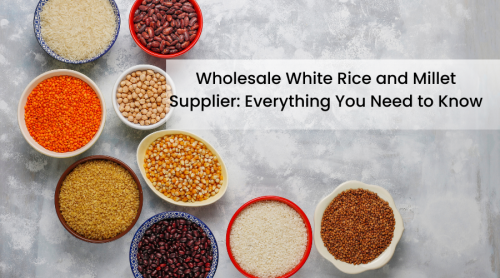
Wholesale White Rice and Millet Supplier: Everything You Need to Know
Stop treating rice and millet as simple commodities. They are not. For the retailer staring at thinning margins and the exporter navigating a maze of customs regulations, the gap between a broker and a true wholesale supplier is vast. It is the gap between predictable profit and a shipment stuck at port accruing detention charges by the hour. You need more than a price list. You need a sourcing blueprint grounded in operational reality. The global grain trade is shifting fast. China's milled rice imports, after a sharp contraction to 1.53 million tonnes in 2023-24, are projected to rebound to 3 million tonnes by 2025-26 . Meanwhile, the International Grains Council pegs global rice trade at near-record levels around 59.8 million tonnes . These are not abstract figures. They represent container movements, price volatility, and opportunity. This blog is written for wholesale buyers who need to verify a mill's floor, not just its brochure. And for exporters who understand that a sanitary certificate is not paperwork. It is a passport. We will be taking a deep dive into how to source with confidence, mitigate risk, and build a supply chain that doesn't break when the market becomes unpredictable. The Global Grain Landscape: Why Dual Sourcing Rice and Millet Matters Now There is a convergence happening in the grain aisles of the world. White rice, the staple of billions, and millet, the ancient grain newly characterized by wellness culture, are increasingly being sold as a package deal. The retailer who understands this correlation wins twice. First, on the shelf. The customer buying a 20-pound bag of long-grain rice for the family is increasingly the same customer tossing a bag of organic millet into the cart for gluten-free baking. Carrying both does not cancel out sales but only boosts them. A retail store that offers both solidifies its position as one-stop shop for grain buyers. Then there is the exporter's math. Ocean freight is priced by container volume and weight. Rice is dense. Heavy. You are paying for air you cannot fill. Millet, while still substantial, has a different bulk density. When you blend a container load by layering pallets of milled white rice with super sacks of pearl millet, you maximize that steel box space. You claw back margin from the shipping line instead of handing it over freely. This isn't just diversification. It is freight engineering. The market signals support this dual approach. The Middle East remains a structural anchor for rice imports, with Saudi Arabia consistently pulling in around 1.85 million tonnes annually . Africa's demand is fragmented but growing, particularly in Guinea where imports hit 1.21 million tonnes in 2024-25 . In these markets, rice is non-negotiable. Yet across the Atlantic in Europe and North America, millet demand is climbing steadily driven not by tradition but by changes in dietary preferences. A supplier who can consolidate both grains from a single region of origin (say, the processing hubs of Asia) gives the importer leverage. One set of documents. One inspection. One relationship but two revenue streams. That is strategic sourcing. Beyond the Broker: How to Verify a True Mill-Direct or B2B Wholesaler Anyone can forward an email. It takes a real operation to forward a video from the milling floor. The first filter in your vendor selection process should be brutal and simple: Are they touching the grain, or just touching the invoice? A broker has a role in the ecosystem, sure. But when you are buying by the container-load, every middleman represents a compression of your margin and a dilution of accountability. The Physical Audit vs. The Paper Audit A PDF certificate is a starting point. It is not verification. Ask for a live video walkthrough of the facility. What are you looking for? Look at the color sorter. Is it running? Is it modern (optical sorters with RGB cameras) or a relic that misses half the discolored grains? Look at the warehouse floor. Is it clean? Are the bags stacked on pallets or sitting directly on concrete where moisture wicks up? These are the details that determine whether your 5% broken rice arrives as 5% broken or as 15% broken. Another aspect is capacity. A legitimate white rice supplier or should be able to tell you, without any hesitation, their milling capacity in tonnes per day. If they hesitate, they are likely buying on spot prices from the local grain market and flipping it to you. That means consistency goes out the window. Batch to batch, container to container, you are rolling the dice on genetics and moisture. Certifications That Actually Reduce Liability For , food safety is an existential risk. One recall erases a year of profit. You need a white rice supplier who operate under HACCP principles or hold ISO 22000 certification. They mean the facility has documented procedures for metal detection, moisture control, and pest management. For the exporter, the requirements are even more specific and often more punitive. A missing phytosanitary certificate can get a container turned away at the discharge port. That is a five-figure mistake. You need a supplier who understands GACC registration if you are selling into China. You need them to know the difference between fumigation with Methyl Bromide (increasingly restricted) and Phosphine protocols. Trustworthiness in this business is demonstrated through documentation hygiene. The supplier who sends you a draft Bill of Lading and the Phyto sample before you ask is the supplier who has done this a thousand times before. Stick with them. Decoding the Technical Specifications: The Fine Print Retailers Miss The difference between a profitable load of white rice and a costly arbitration with a buyer often comes down to a single digit. The broken percentage. You see "5% broken" on a spec sheet and think, "Great, 95% whole kernels." That is the intention. But in the real world of bulk handling and ocean transit, that number is a moving target if you are not vigilant. White Rice Grades and Broken Percentage The industry uses standards often referencing FAO guidelines or local export authority specs to define what "5% broken" actually means . Premium grade demands a minimum of 95% head rice. Grade 1 might drop to 80%. The nuance lies in the type of broken. "Big brokens" are fragments that are still sizable. "Brewers" are the tiny chips that end up as dust. If your contract only specifies "5% broken" without defining the allowance for brewers or foreign matter, you are exposed. The cunning white rice supplier can meet the letter of the contract while shipping rice that looks dusty and unappealing on a retail shelf. And then there is chalkiness. A chalky kernel does not cook evenly. It turns to mush while the mature grain remains firm. For a retailer selling to ethnic communities who prize texture above all else, a bag of chalky rice is a reputation killer. You need to specify chalky kernel limits. The same goes for red kernels and damaged kernels. These are the visual defects that drive customer complaints. Millet Purity: The 99/1 Rule for Exporters Millet is smaller. It is harder to clean perfectly. A supplier might boast "99% purity." That sounds quite clean. But what constitutes that remaining 1%? If that 1% is harmless millet husk, no one cares. If that 1% is a noxious weed seed prohibited in the European Union or Japan, your container is now hazardous waste in the eyes of customs. You will pay to have it destroyed or re-exported. The target for serious bulk millet exporter should be 99.5% purity or higher, with an absolute zero tolerance for prohibited seeds. This is where the color sorter becomes non-negotiable . Modern optical sorters with high-resolution cameras scan each individual grain thousands per second and eject anything that doesn't match the color profile of the target grain. It removes black tip, red rice, and foreign seeds. A supplier without a color sorter is using gravity tables and sieves. That works for separating chaff. It does not work for spotting a single black mustard seed in a ton of yellow millet. Insist on sortexed material for any export-bound shipment. Logistics, Packaging, and Incoterms for Global Exporters You have identified the grain. You have negotiated the price. Now you must move it across an ocean. Container Loading and Moisture Migration Grains are hygroscopic. They breathe. When a container loaded in humid Southeast Asia hits the cold waters of the North Pacific, the walls of that steel box sweat. Moisture migrates from the warm center of the stow to the cold container skin. If you are shipping in standard 25kg woven polypropylene bags stacked tight, the bags touching the walls will absorb that moisture. You will unload a container where the outer layer of bags is stiff with mold while the core is perfect. The solution is multi-layered. First, use container liners or desiccants. Second, ensure the rice is milled and bagged at the correct moisture content. For long-haul shipments, 14% is the absolute maximum threshold . Even 14.5% is asking for trouble. For high-value organic millet destined for retail shelves, consider shipping in tote bags (1 metric ton big bags) with an inner polyethylene liner. It adds cost but virtually eliminates moisture damage. Incoterms and The FOB Illusion Retailers and new importers love FOB (Free on Board). It feels simple. The supplier loads the container on the vessel, and the buyer handles the rest. But FOB can obscure costs. The more sophisticated approach, especially for larger players, is to request CIF breakdown pricing. This means the supplier quotes the Cost of Grain, the Insurance, and the Freight as separate line items on the Proforma Invoice. Why does this matter? Customs valuation. Most destination countries assess duty on the CIF value. If your supplier gives you a lump sum price for "Rice + Freight," you are paying duty on the freight cost. That is a tax on shipping. If they separate it, you can present documentation that potentially reduces your duty basis (depending on local regulations). It is a small detail that scales into thousands of dollars saved per container when you are running a dozen containers a month. Packaging is equally strategic. The days of only offering the brown 25kg PP bag are over. A modern supplier should offer BOPP laminated bags for retail visibility, jute bags for the eco-conscious premium segment, and even 1kg to 5kg pillow packs for direct-to-consumer private label . The packaging is often the only thing the end consumer touches. Make it count. The Trust Factor: Building a Long-Term Partnership A transactional relationship in the grain business can quickly become exhausting and difficult to manage over long term. Every shipment is a negotiation. Every quality claim is a battle. The real advantage in this industry accrues to those who move from vendor management to partnership. This is where the long-term money is made. Red Flags You Are Dealing with a Trader, Not a Partner Watch for the seasonal quote. A trader buys from the open market. When the local "mandi" (market) is flush with new crop, their price is low. Six months later, when stocks tighten, their price is high and their ability to supply 500 tons of consistent quality vanishes. A true mill-direct partner offers a year-round price band. They have storage. They have silos. They have a vested interest in keeping your business flowing during the lean months because they own the asset (the mill) that is sitting idle otherwise. Another red flag? Vagueness about mill capacity. If you ask, "What is your daily throughput?" and the answer is, "We can handle any order," that is not an answer. That is sales talk. A mill owner knows exactly how many tons per hour their polisher processes. They know their storage capacity in metric tons. They know their drying capacity during harvest. If they cannot give you these numbers with precision, they are not running the facility. The Advantage of a Single Supplier for Multiple Grains This is the quiet efficiency that transforms a supply chain. When you source your Jasmine rice and your organic millet from the same consolidated exporter in a hub like Vietnam or India, you streamline everything. The documentation process for export clearance becomes a template. The inspection company makes one trip to the warehouse, not two. The container can be cross-stuffed at a single location, reducing trucking fees. And perhaps most importantly, your communication overhead drops. You are dealing with one operations manager, one finance team, one quality assurance contact. This relationship also gives you leverage. If you are a consistent buyer of 50 containers a year, the the white rice supplier and millet exporter will absorb small cost increases to keep you happy. They will prioritize your loading during the peak shipping crunch. They will send you samples of new crop millet varieties before they hit the general market. In a commoditized business, information and priority are the only sustainable competitive advantages. You earn those through loyalty, not by chasing the cheapest spot price from a different broker every month. Conclusion Sourcing white rice and millet at wholesale scale is not a guessing game. It is the discipline of looking past the polished sales deck and into the heart of the mill. It is the discipline of reading a spec sheet not as a promise, but as a starting point for verification. The market will continue to move. China will come in and out of the market, dictating price direction . Freight rates will ebb and flow with geopolitics. But the fundamentals of a strong supply chain do not change. They rely on verified capacity, transparent quality control, and a partner who understands the difference between getting a container on the water and getting it successfully cleared through customs. You now have the framework. You know to ask for the color sorter video. You know to separate freight from grain cost on the invoice. You know that 14% moisture is the line in the sand. The next step is to pressure-test your current vendor list against this guide.
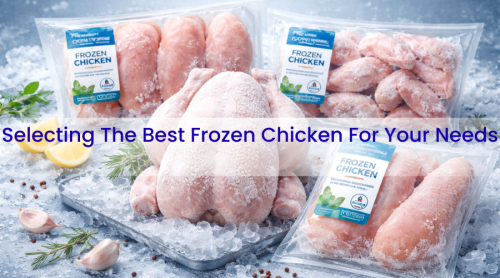
Selecting The Best Frozen Chicken For Your Needs
One of the commodities traded worldwide is frozen chicken. It crosses borders in enormous volumes daily. It is not merely a product for bulk buyers, importers, and wholesalers, but a business decision that considers margins, customer satisfaction, and operational efficiency. However, it is not as simple as it may seem to pick the correct frozen chicken. One can have various cuts, grades, country of origin, and quality standards. Making the wrong choice during the purchasing phase may result in future issues, such as rejected shipments, loss of storage space, dissatisfied clients, and lost revenue. The guide is dedicated to individuals in bulk procurement. It covers types of cuts, shopping tips, safe storage and handling of frozen chicken, and maximizing purchases. The reason why Frozen Chicken Dominates the bulk market The shelf life of fresh chicken is very short. It should deliver to the final customer in a matter of days. It is not very convenient to move it over long distances, particularly abroad. This issue is solved by frozen chicken. Chicken can be stored for months when properly frozen and still retains its nutritional content and eating quality. This makes it viable for large-scale trading, long supply chains, and markets where cold chain infrastructure remains in its early stages. For wholesalers, frozen chicken is stable in terms of availability. The local seasonal factors are not related to supply. It has made sourcing cheaper through large producers such as Brazil, the United States, Poland, Thailand, and Ukraine, all of which are major exporters of bulk frozen chicken meat in the global market. The demand is also very high. Frozen chicken is needed by many companies with food services, fast-food chains, meat processing, retail supermarkets, and even by industrial clients. This makes it one of the most dynamic divisions of the international food trade. Types of Frozen Chicken Cuts The first thing that a bulk buyer should be aware of is the different cuts to consider. The various buyers require different cuts based on how they consume the product. The following are the key categories: Whole Frozen Chicken Whole frozen chickens are washed and later frozen. They sell quite well to retail buyers, butchers, and the market where customers want to cut the chicken the way they want. Whole birds give importers flexibility. They could either be sold in their original form or disassembled in a local plant. The retailers tend to offer lower prices per kilogram than pre-cut portions, thereby appealing to low-end customers. Bone-In Cuts Bone-in cuts are the most popular frozen chicken products in international trade. They include: • Leg Quarters: the drumstick and the thigh joined together. These are highly marketable in price-sensitive regions of Africa, the Middle East, and sections of Asia. They are cheap and good for meat production. • Thighs (Bone-In): They are juicier than breast meat because they contain more fat. Commonly used to grill, fry, and slow cook. Good demand in the food service operations. • Wings: Whole wings or cut up into flats and drumettes. Very high demand in fast food, restaurants, and retail. In some markets, wing prices go up and down depending on the season of demand, especially during major sporting events. • Breast (Bone-In): Not commonly used but applied in niche food service and retail outlets. • Drumstick: This is the bottom part of the leg. It has a very high demand for food and retail services. Boneless Chicken Cuts The boneless cuts are a more expensive purchase that is in demand among food manufacturers, processed food companies, and food service operations that require ready-to-cook or ready-to-process meat. • Boneless Skinless Breast: The most commonly used cut of meat everywhere that has healthy consumers and manufacturers. Applied in nuggets, strips, ready meals, and direct cooking. Retail chains and food processors' demand is very high. • Boneless Skinless Thigh: This is tastier than breast meat. Uses Popular in use in marinades, kebabs, wraps, and available in fast food. In recent years, there has been a great deal of demand. • Chicken Tenders / Inner Fillets: This is the small piece of meat that is attached to the breast. Used in breaded products, fast foods, and restaurant menu items. Exclusive prices since few birds are produced. Mechanically Deboned Meat (MDM) and Minced Chicken MDM is a meat product manufactured by separating meat from bones. It is used in processed foods such as sausages, nuggets, patties, and reformed meat products. Food manufacturers also have minced chicken in frozen blocks. MDM and minced chicken are key volume-purchased products by buyers in the food processing industry. Prices are reduced per kilogram, but the volumes transacted are very high. Chicken Feet and By-Products The chicken feet are a major export product, especially to the Chinese, Southeast Asian, and portions of African markets. They are delicacies in most cultures. Other by-products, such as livers, gizzards, and hearts, are sold frozen and are highly in demand in certain markets. Strategies to Reflect Before Making a Buying Decision When the wrong product is sourced, it causes issues that are hard to mend. The following are the main issues to check before making a purchase decision. Country of Origin and Certifications This country of origin influences price, quality expectations, import duties, and acceptance of regulations in your target market. Brazil is a major exporter of chicken in the world and has been characterized by competitive prices. The USA also produces large volumes of poultry with good food safety. The EU food safety requirements are strictly enforced in Poland and other EU member states, which makes their products acceptable in markets with very high import volumes. Ensuring the supplier has the required export licenses for the destination market will always be important. This is a halal certification of the Muslim-dominated locales, health certificates, and the needs of the importing country's veterinary and food safety. Freezing Method The quality of products is influenced by the freezing technique. Individual Quick Frozen (IQF) products are frozen one piece at a time, which prevents clumping and makes them easy to portion. Block-frozen products are a number of pieces frozen together as a whole block. IQF tends to be more expensive but easier to use in the food service and retail sectors. Cold Chain History Inquire about the product's cold chain history. Is it stored at the correct temperature throughout the operation of processing, storage, and transportation? Any interruption in the cold chain may cause partial thawing and refreezing, hence the deterioration of quality and necessitate food safety risks. Packaging Ensure that the package is strong, labeled well, and in accordance with the product. The labels should have the nature of cut, weight, country of origin, the date when the product was processed, date of expiry, and storage directions. For export products, they should be labeled in accordance with the destination country's laws. Supplier Reliability Supplier reliability has become the most vital aspect of product quality to bulk buyers and importers. Summarize the history of the supplier. Do they deliver on time? Are their products always in line with the agreed specifications? Do they have the financial strength to manage large orders? References and third-party audits can verify this. Frozen Chicken Storing and Handling Tips Half the job is to get the product right. Your storage and handling will determine whether it reaches the end customer in good condition. Inadequate management leads to quality loss, food safety complications, and financial losses. Do Not Exceed the Right Temperature Storing will require frozen chicken at or below- 18 degrees Celsius. This temperature will stop bacterial growth and maintain quality. Any increase past this, even in the short term, may start to spoil the product. The cold storage facilities should be kept at peak accuracy in terms of temperature and the alarm system. First In, First Out (FIFO) Always use the FIFO system in your cold storage. First-in-first-out should be used to dispatch products. This helps avoid piling up older stock at the back of the shelves, as new stock gets priority. It minimizes the risk of products becoming too close to, or even over, their shelf life whilst in your warehouse. Refreezing thawed products Refreezing thawed frozen chicken should be avoided. The alteration of the cellular makeup of the meat provides liveliness in breeding the bacteria, and it also influences the outcome of the frozen food. A qualified food safety professional should assess it when there is a failure in the cold chain, since the shipment might be delivered in a partially thawed condition. An appropriate Stacking and Storing Pattern Avoid piling products in your cold storage to block airflow. The cold air must be allowed to circulate freely around the stored goods to achieve a uniform temperature throughout the storage capacity. Create the necessary space between pallets and products and the walls. Overloading leads to uneven cooling, creating warm spots that may compromise quality. Hygiene in Handling Areas Frozen chicken should be handled in any area, so loading docks, processing rooms, and windows of dispatch areas should be clean and hygienic. Employee needs to be equipped with the proper work attire. All surfaces that come into contact with the product should be sanitized regularly. There should be no cross-contamination of raw chicken with the other products. Observe Packaging integrity Check the packaging, then send any product. Inappropriate packaging subjects the product to contamination and burns. Freezer burn does not render chicken unhealthy to consume, although it has a great influence on the quality and taste of the chicken, which adds to complaints from customers. The spoiled packaging must also be noted during intake and addressed before storage. Making the Most of Your Frozen Chicken Purchase Purchasing at high volume has its benefits. However, the benefits can potentially only be realized if you make wise decisions when buying. The following is how to achieve maximum value from every order. Buy as Per Your Real Demand When prices are down, there is a temptation to stock up. However, overstocking has its issues, such as increasing storage expenses, the risk of spoilage, and cash tied to the slow-moving stock. Know your sales cycles. Know the fastest-growing cuts in your market. Buy accordingly. Bring Up Specifications, not Price Numerous bulk buyers are interested in the purchase at a minimum price. However, the greatest advantage is to have the right specifications at a reasonable price. Discuss the cut size, fat content, percentage of glazing, and the format of the package. A low-priced product that has a high percentage of glaze is paying water weight. These details will save money across all shipments. Develop Supplier Relationships in the Long-term Spot buying, buying with other suppliers every time, may appear as a way of saving money. It brings about inconsistency and danger. A stable long-term relationship with a supplier provides you with increased bargaining power, dependable quality, and service. The suppliers also tend to give greater priority to loyal customers when supply is tight. Diversify Your Sourcing Simultaneously, reliance on a single supplier or on a country of origin is a source of vulnerability. The supply from a single source can be affected by supply disruptions, export bans, and currency fluctuations. One, two, or three approved suppliers of different origins provide flexibility and minimize risk. Track Your Losses Record wastages, damaged goods, and returns. These figures will inform you as to where value is going to waste in the process. If there are high losses at that specific point during intake, storage, or dispatch, probe and correct the problem. When wastage is dealt with in large quantities, even a small saving can make a big difference to overall profitability. Market prices information The prices of frozen chicken fluctuate with world supply and demand, feed prices, epidemics, and policies. Well-informed buyers make better decisions as to when to buy, when to hold, and when to bargain more. Track commodity prices and related news, as well as trade magazines in the poultry industry. Conclusion Frozen chicken is a high-volume product, such that any decision counts. Knowing your cuts, sourcing through trusted suppliers, and a well-organized inventory are the factors that make the difference between a win and a loss-inducing venture.

How to Source High-Quality Edible Oils: Sunflower Oil , Virgin Olive, Cotton Seed, Corn & Refined Oils from South Africa
Choosing an edible oil supplier is a decision that directly impacts the profitability of any trading and exporting business. It affects the product quality, and can either strengthens or fracture your supply chain. Global vegetable oil consumption has surpassed 220 million metric tons annually, as indicated by USDA marketing data, meaning stakes are high! For the food manufacturer, importer, or wholesaler, creating and maintaining a competitive edge in today’s market requires having access to edible oils that provide something other than just a lower cost per ton. Manufacturers today seek quality consistency, reliable shelf life, protocols for food safety and logistics agility from their oil wholesaler partners and feel that supply chain stability along with flexible packaging are both requirements, not negotiable terms. That’s where South Africa enters the picture. Why South Africa Is a Strategic Market for Edible Oil Sourcing South Africa’s role in the edible oil landscape has many sides. In addition to being an established regional market, it is also a sophisticated food processing center and a global logistics hub with major ports like Durban and Cape Town. This combination creates a unique edge for B2B buyers. Think about the operational realities you face. You need access to both packaged and bulk oils without navigating a maze of intermediaries. You require warehousing and redistribution networks that can move product efficiently across borders. A competent South African edible oil supplier brings all of this to the table, coupled with a close familiarity with the export documentation required for seamless customs clearance. They offer private-label and customized packaging options that allow your brand to stand out, whether you serve the hospitality sector or the retail space. The demand drivers are also quite stable. There are numerous large-scale food manufacturing and fast-paced hospitality businesses that need a reliable oil supply continuously. A supplier who understands the consumption cycle and offer multiple services like provide samples for lab verification, managing packaging inspections, and navigating a rigorous supplier onboarding process is worth more than a low quote. This is the level of operational knowledge that separates a vendor from a true partner. What Buyers Should Check Before Choosing an Edible Oil Supplier A reliable supplier doesn’t just sell oil; they provide a framework of trust. Most advice stops at “find a reliable supplier.” Let’s get into the how of verifying that reliability. Check for Quality Certifications Your due diligence should start with certifications. Some worthy certifications that are must-haves include food safety quality marks like ISO 22000, FSSC 22000, and HACCP. Depending on your target market, Halal and Kosher certifications should also be a top priority. These aren’t just badges; they represent a commitment to process control. Documentation A serious supplier will present you with the Certificate of Analysis (COA) and a product specification sheet as soon as you make the request. They’ll supply phytosanitary or health certificates where needed, clear origin documents, and allergen declarations. This paperwork is your first line of defense. Commercial Check Commercial checks form the next layer of supplier verification. Get clear confirmation regarding Minimum Order Quantities (MOQ), lead times, and packaging options. These can range from tankers to flexitanks and drums. Next, get clarity on payment terms and Incoterms upfront. Finally, and most critically, define your quality checks. This goes beyond a simple visual inspection. You need to verify the refining level, odor, and color consistency, alongside critical chemical indicators like peroxide value, free fatty acids (FFA), and contaminant screening. A supplier who cooperates with you in this commercial check means a supplier who has nothing to hide. And if the supplier is hesitant than that means you are dealing with a supplier that is only offering a cheap price and nothing more. Premium Edible Oil Varieties in High Demand Sunflower Oil Sunflower oil remains a core part of the global edible oil trade. Its neutral taste and light texture make it a versatile oil that has wide applications. It is suitable for everything from high-volume frying and snack production to baking and household cooking. For buyers, the conversation should center on specific applications. Are you looking for a refined, deodorized spec? What is the fatty acid profile? What are the guaranteed peroxide value and the shelf-life? The answers to these will determine whether that shipment will perform according to your expectations or not. Cotton Seed Oil Cotton seed oil occupies a specific, valuable niche. It is a versatile option, often used in frying blends, processed foods, and margarine or shortening applications. Its value lies in its flavor neutrality and oxidative stability, which can make it a cost-effective alternative to sunflower or soybean-based oils in certain industrial food manufacturing contexts. For the commercial kitchen or the production line, consistency is king. This is where cotton seed oil has a competitive edge. However, a word of sourcing caution: buyers must confirm contaminant and residue testing and review refining documentation with particular care. The oil’s upstream raw material demands a higher level of scrutiny, and a trustworthy supplier will have the lab reports to prove they’ve met food-grade safety standards. Refined Oil from Turkey For South African importers and distributors, comparing supply origins is a standard part of procurement. Turkish refined oils are a top choice because they have high demand in regional markets of Mediterranean and Eurasia. When you compare Turkey-origin oils with South Africa-based sourcing, the evaluation comes down to a few crucial factors like freight efficiency, lead times, port access, and the quality of documentation. Turkish suppliers have special expertise in the production of refined sunflower oil, olive oil, and blended edible oils. For buyers, this is a comparative sourcing option, not a replacement for the local advantage. Pure Refined Sunflower Oil Refined oil is in a class of its own compared to the generic sunflower oil. This is a product is defined by its higher clarity and standardized refining process. These qualities make it a perfect fit for buyers focused on retail bottling or large-scale foodservice. The specifications are demanding to fulfil. They include a clear appearance, low FFA, low peroxide value, and a completely neutral odor. Under correct storage, it delivers a long shelf life. Bulk buyers have a preference towards pure refined sunflower oil because it guarantees stable performance and has broad consumer acceptance worldwide. It’s the oil that simply sells, consistently, which is precisely what you need when placing bulk orders for private-label goods. Virgin Olive Oil Virgin olive oil is classified in the premium tier. The manufacture of virgin olive oil involves mechanical extraction and minimal processing, which preserves a stronger aroma and a more complex flavor profile. This is the oil for dressings, marinades, premium retail shelves, and gourmet or health-focused food categories. Quality evaluation of this edible oil is judged by inspecting several factors like acidity, harvest freshness, variety and sensory profile. Because it is light and heat sensitive, the handling and storage facilities should be top-notch. The market of virgin olive oil is notoriously volatile. International Olive Council data show that annual olive oil production fluctuates significantly by crop year. This unpredictability has a major impact on procurement timing and price planning. For South African buyers, imported or regionally packed virgin olive oil opens up a new target market, that of premium hospitality and retail segments. But to succeed in this niche requires a reliable supply chain that is managed with precision. Corn Oil Corn oil is a familiar edible oil used in frying, snack manufacturing, and commercial cooking. It has a mild flavor and performs reliably in frying activities. It is commonly available and is a staple for institutional buyers, food manufacturers, and foodservice distributors. When procuring corn oil, your main concerns should revolve around four aspects: the refined grade, anti-foaming performance, oxidation stability, and the packaging format. Compared to sunflower oil, corn oil offers a similar taste neutrality but the price tier is different. Essential Quality Metrics for Bulk Edible Oils Fatty Acids Composition The fatty acid profile of an oil dictates stability, flavor, nutritional positioning, and the applications for which it’s best suited. As a buyer, make sure to verify the levels of saturated, monounsaturated, and polyunsaturated fats present. Sunflower oil is generally higher in polyunsaturated fats. In contrast, olive oil is richer in monounsaturated fats. Always request a full fatty acid breakdown on the COA, and reference Codex standards as a baseline for your own quality checks. This is your assurance that the oil you’re buying is the oil you’re expecting. Free Fatty Acid Content Free fatty acids are a simple but powerful indicator. In plain language, a lower FFA generally signifies better refining quality and fresher raw material handling. It directly impacts shelf life, taste, odor, and processing performance. A high FFA can signal issues that started with the seed and continued through storage. This is why professional buyers set acceptable FFA ranges in their procurement contracts. It is a common and justified, practice to reject shipments when the FFA exceeds the agreed-upon specs. This isn’t about being difficult; it’s about protecting your final product. Peroxide Value While FFA tells you about raw material quality, peroxide value is the indicator of oxidation. It is basically a measure of the freshness of the product. A low value means that the product will expire quicker. And that means a shorter shelf life. Your job is to compare the supplier’s results against your contract specs, the shipment date, and the expected storage conditions. Peroxide value should be checked pre-shipment, and for large or critical orders, post-arrival sampling is a non-negotiable best practice. It’s one of those details that procurement teams rely on, and a detail that many generic blogs overlook. Microbial and Contaminant Testing Refined oils are low-moisture products, which eliminates some microbial risks. But testing for contaminants is still crucial and forms a vital part of food safety protocols. Your checks should include pesticide residues, heavy metals, mineral oil contamination, and any signs of adulteration. Special-risk screening becomes necessary in certain contexts. A well-informed buyer usually relies on third-party lab verification. Certifications, Compliance, and Documentation Required for International Buyers The journey from supplier to your facility is paved with paperwork. A serious supplier will provide a comprehensive suite of documents: the Certificate of Analysis (COA) , Certificate of Origin, invoice, packing list, and any required export permits. Food safety certificates are the final piece of this puzzle. For private-label buyers, the documentation extends into the physical product. That means making certain that packaging standards are met. This means confirming about bottle sizes, barcode readiness, and whether labeling is clear and informative. Bulk Packaging Options for Edible Oils The packaging you choose is more than a container; it’s a critical component of your supply chain. There is a wide variety of choice in terms of packaging options ranging from PET bottles and jerry cans for retail and smaller foodservice, to drums, and flexitanks for bulk handling. Your choice here will affect the cost per unit, the shelf life of the product, handling ease and the risk of contamination during transport. The right choice is rarely the cheapest. It’s the one that aligns with your destination, your turnover rate, and the storage infrastructure you have in place. Common Mistakes Buyers Make When Sourcing Edible Oils Experience is often the best teacher, but it’s a costly one. Many buyers still make the mistake of choosing the cheapest supplier without ever reviewing the lab specs. They ignore oxidation and shelf-life indicators until a shipment arrives rancid. Others fail to confirm packaging compatibility, only to find that their filling line isn’t equipped for a new bottle format. A surprising number overlook the regulatory and customs documentation until their cargo is sitting in a bonded warehouse. Perhaps the most common error of all is buying without a signed technical specification agreement. Without that document, you have no baseline for quality and no recourse if the product fails to perform. Why Trusted South African Suppliers Stand Out In this complex landscape, trusted South African suppliers differentiate themselves through responsiveness. They offer export support that guides you through the process, not just throws paperwork over the wall. They provide batch traceability and quality assurance systems that allow you to track product from its origin to your door. Their packaging standards are consistent, reducing line downtime and waste. They are equipped to handle both regional and international buyers, with the commercial reliability, technical transparency, and compliance readiness that a modern supply chain demands. They prove quality, they don’t just promise it. Conclusion Sourcing high-quality edible oils is a high-stakes endeavor that involves considering multiple economic and quality factors that extend far beyond finding the lowest price. The only way you can source genuine products is by evaluating the complete picture: the suitability of the oil type for your application, the tested quality metrics and the certifications as well as the packaging and documentation. In the end, serious buyers understand that the best partner isn’t the one with the cheapest quote. It’s the one who can prove quality at every step of the journey.